Charred framing hidden behind intact drywall
We sweep the walls with a thermal imaging camera and open anything suspicious. Charred studs get sistered or replaced, and we photograph the repair for your adjuster and your records.
Structural Repair After Fire in SUNLAND, California means pulling out charred framing, melted wiring and smoke-soaked drywall, then rebuilding the skeleton of your home so it's safe to live in again. We handle fire structural restoration in SUNLAND from the first thermal scan through final inspection, working directly with your insurance adjuster and the CSLB-licensed trades who sign off on the rebuild.
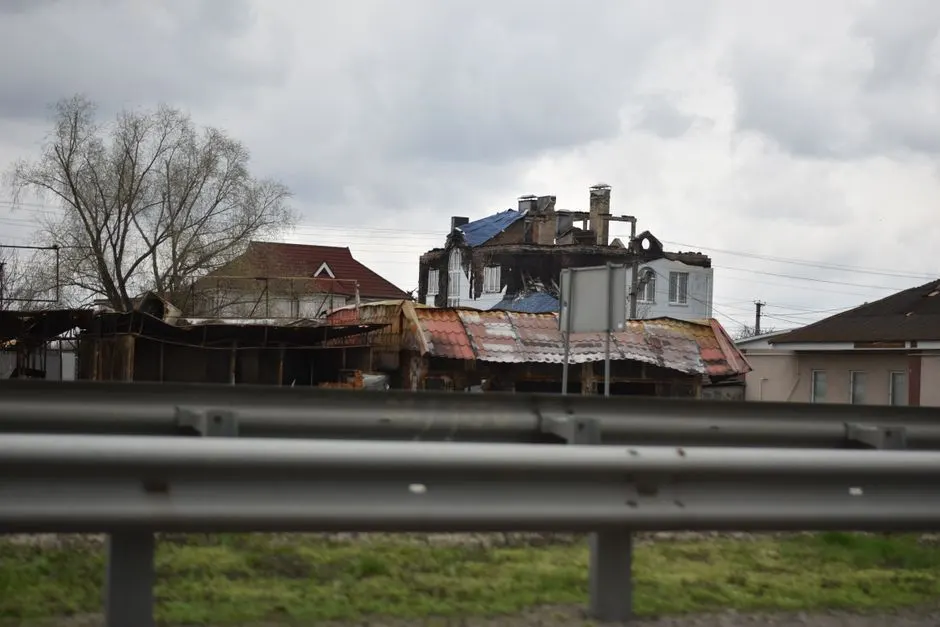
Structural Repair After Fire in SUNLAND, California is the licensed rebuild phase that follows soot cleanup and water extraction: we open walls to inspect charred studs, test the roof deck for heat damage, trace melted wiring through the attic, and replace anything that lost load-bearing capacity. A fire that looks contained to one room often cooks the framing inside a shared wall for 20 minutes before the drywall shows it. We use a thermal imaging camera and moisture meter to find that hidden damage before we quote the rebuild.
Foothill Boulevard District and Sunland Boulevard Corridor homes from the 1950s and 60s were framed with old-growth lumber and knob-and-tube or early romex wiring, so heat travels further through the structure than it would in a newer build. That's why a kitchen fire in SUNLAND often means opening the ceiling above the range and the wall behind the cabinets. If you're searching for structural repair after fire in SUNLAND California near me after a weekend fire, call (833) 929-6186 and we'll get a same day structural assessment after fire SUNLAND homeowners can act on.
Our structural scope covers everything between the board-up and the final inspection: demo, dry-out, framing, sheathing, rough-in coordination and finish. We list what's in the written scope up front so there are no surprises when the invoice arrives, and anything outside the structural rebuild gets quoted separately before we touch it.
Roof tarping, window and door boarding, and utility shutoff within hours of your call. This protects the structure from rain and animals while the insurance scope is written and approved.
A thermal imaging camera and moisture meter sweep of every wall, ceiling and attic surface near the burn. We photograph char depth and melted wiring so the scope reflects what's actually damaged, not what's visible.
Charred drywall, insulation and lumber come out, along with fire-damaged furniture and contents. Debris gets hauled off-site so the framing crew starts with a clean, safe structure.
New lumber, plywood sheathing and roofing shingles installed to code. We sister joists where the math allows to keep costs down, and replace anything that lost load-bearing capacity.
Industrial dehumidifiers and air movers dry the framing to under 16 percent moisture content. We treat cavities with encapsulant and verify with a moisture meter before closing walls.
Smoke sealant primer on exposed framing, hydroxyl generator treatment, then drywall, insulation, paint and trim. We don't close a wall until the cavity passes an odor check.
We tarp the roof, board windows and doors, and shut off utilities within hours of your call, 24/7. That stops rain and animals from turning fire damage into water damage. You get a written scope and a start date before we leave the property.
A same day structural assessment after fire SUNLAND properties need starts with a thermal imaging camera sweep of every wall and ceiling near the burn. We map char depth, test moisture from firefighting water, and photograph melted wiring and roof damage from fire so nothing gets missed in the estimate.
We remove charred drywall, insulation and lumber with a pry bar and drywall saw, then set industrial dehumidifiers and air movers. Framing dries to under 16 percent moisture content before any new material goes back. This stage usually takes two to four days on a typical room-and-attic fire.
New lumber, plywood sheathing and roofing shingles go in, followed by rough electrical and plumbing inspected by the city. We sister damaged joists rather than replacing whole spans when the math allows, which keeps your rebuild cost down without cutting corners on code.
Drywall, insulation, paint and trim close out the job, and we walk the finished structure with your adjuster and the city inspector. You get before-and-after photos, warranty paperwork, and a final odor check with a hydroxyl generator run if any smoke smell remains.
Purpose-built equipment, used by trained technicians — so the job is done accurately the first time.
Finds charred framing and hidden heat damage behind intact drywall. It's the first tool on site and the reason we catch damage a visual walkthrough misses.
Reads moisture content in framing and subfloor after firefighting water. We don't close a wall until readings are under 16 percent.
Dri-Eaz and Phoenix Restoration Equipment units pull moisture out of framing and insulation fast, before mold growth after fire gets a start.
HEPA filtration and hydroxyl treatment remove smoke particles and odor from the air and from exposed cavities before the rebuild closes them in.
Pulls soot residue out of every surface without spreading it. Soot is acidic and eats into metal and finished lumber if it's just wiped around.
The demo tools that open walls cleanly so we can inspect framing without unnecessary damage to the structure we're keeping.
A range fire in a 1962 Foothill Boulevard District home charred the studs behind the cabinets and melted the outlet wiring. The homeowner had been told it was cosmetic and just needed paint.
We opened the wall, replaced four studs and the wiring, re-insulated and closed it up. The rebuild took 19 days, and the adjuster approved the Xactimate scope on the first submission.
An attic fire in Haines Canyon burned through six rafters and roughly 40 square feet of roof deck. The roof was open to the weather and a storm was forecast for the next evening.
We tarped the roof the same night, replaced the rafters and sheathing, and installed new roofing shingles. Final inspection passed first time, and the roof has stayed dry through two rainy seasons.
An electrical fire in a Verdugo Hills duplex melted wiring inside a shared wall between two units. Both tenants were displaced and two insurance policies were arguing over responsibility.
We traced the circuit path, replaced the wiring and framing, and documented every step with photos. Both units were re-occupied in five weeks with clean paperwork for both carriers.
The damage you can see is rarely the whole job. These are the problems that turn a small fire into a structural rebuild, and how we handle each one.
Ask a pro →We sweep the walls with a thermal imaging camera and open anything suspicious. Charred studs get sistered or replaced, and we photograph the repair for your adjuster and your records.
We dry the structure to under 16 percent moisture content before any new material goes in, treat cavities with encapsulant, and verify with a moisture meter. Our leads hold CDPH Mold Certification.
We seal charred cavities with smoke sealant primer, run hydroxyl generators and air scrubbers, and don't close a wall until a sniff test passes. Our IICRC OCT-certified leads run the odor protocol.
We trace the circuit path, replace melted wiring and repair the framing around it, then get the rough-in inspected before drywall closes. No shortcuts on electrical.
Most single-room structural rebuilds in SUNLAND run $8,000 to $35,000 in 2026, and whole-house framing and roof rebuilds can exceed $80,000. Cost depends on how much framing is charred, whether the roof deck needs replacement, and how much firefighting water soaked into the subfloor. We write the scope in Xactimate so your carrier sees line-item pricing, and we give you the number before demo starts.
We do, and we're local. Fire Damage Restoration Sunland has been rebuilding fire-damaged structures in Sunland-Tujunga, Shadow Hills and La Tuna Canyon since 2022. Our crews are IICRC FSRT-certified, our framing work is CSLB-licensed, and we handle the permit and inspection process with the city so you're not chasing paperwork while your house is open.
Yes. Any framing replacement, roof deck repair or electrical rough-in after a fire requires a building permit in SUNLAND, and the work needs inspection before walls close. We pull the permits, schedule the inspections and meet the inspector on site. Skipping the permit can void your insurance payout and create a disclosure problem when you sell.
A single-room rebuild with framing and drywall typically takes two to four weeks from demo to final inspection. Attic fires and jobs that involve roof replacement run four to eight weeks, mostly because of inspection scheduling and material lead times. We give you a written timeline at the start and update you every Friday on where the job stands.
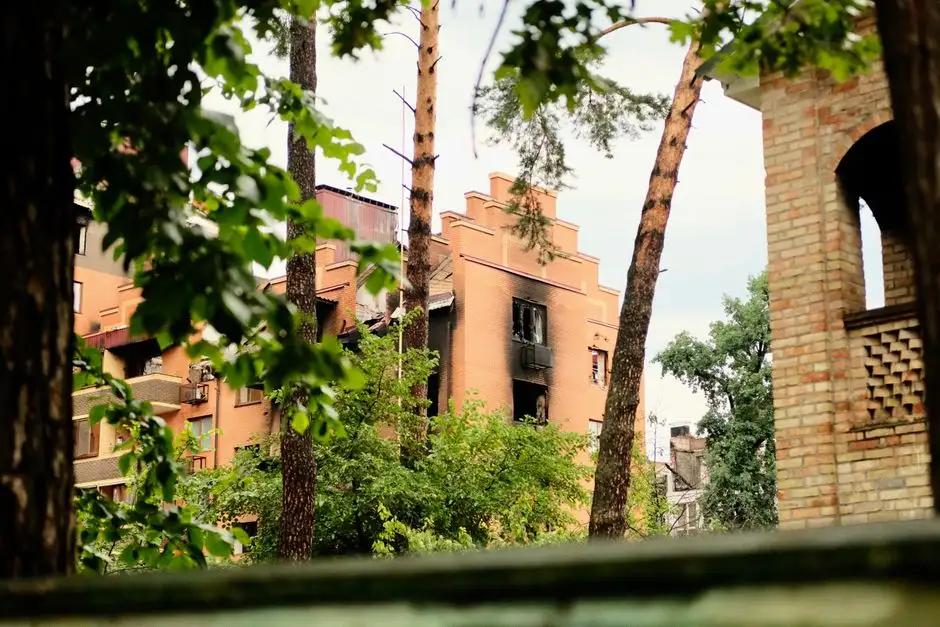 Smoke Damage RestorationSmoke residue etches into drywall and cabinet finishes within days. We clean and seal surfaces before the structural rebuild closes them in, so the finished room doesn't smell like the fire that started it.Explore →
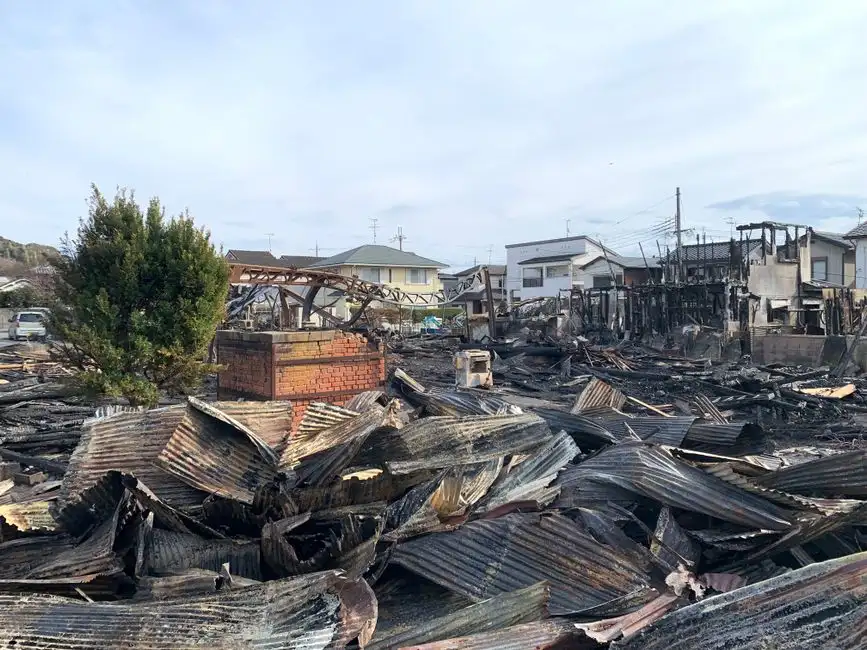 Fire Damage Clean UpCleanup comes before structural repair. We haul out charred debris, HEPA-vacuum soot from every surface, and stage the property so the framing crew can work without re-contaminating clean areas.Explore →
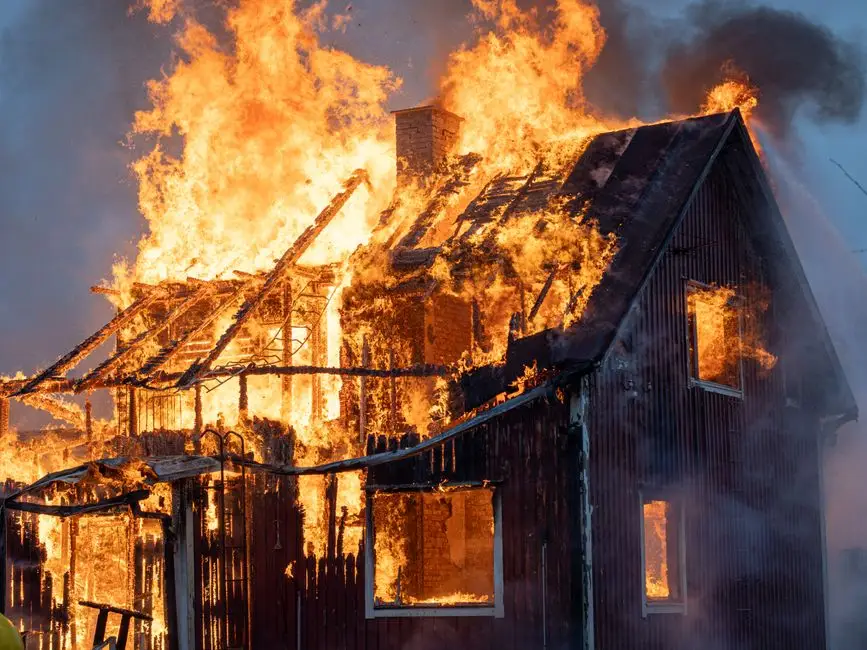 Emergency Fire Damage RestorationBoard-up, tarp-over and utility shutoff happen within hours of your call. Getting the structure sealed fast is what keeps a fire loss from becoming a fire-and-water loss before the rebuild even starts.Explore →
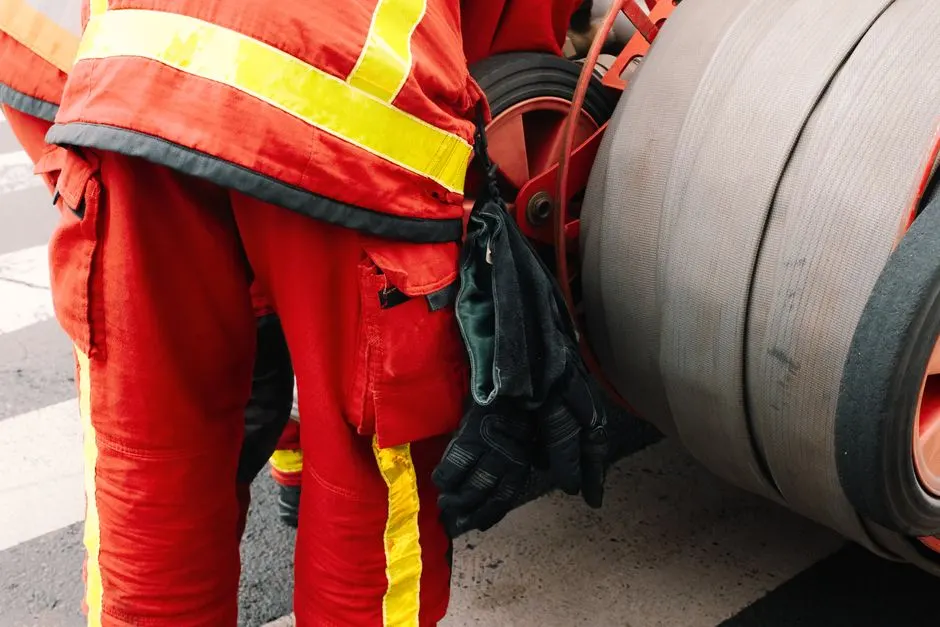 Odor Removal After FireHydroxyl generators and ozone treatment run after framing is exposed but before walls close. That timing is deliberate: sealed cavities trap odor, and we don't seal a cavity until it passes a sniff test.Explore →
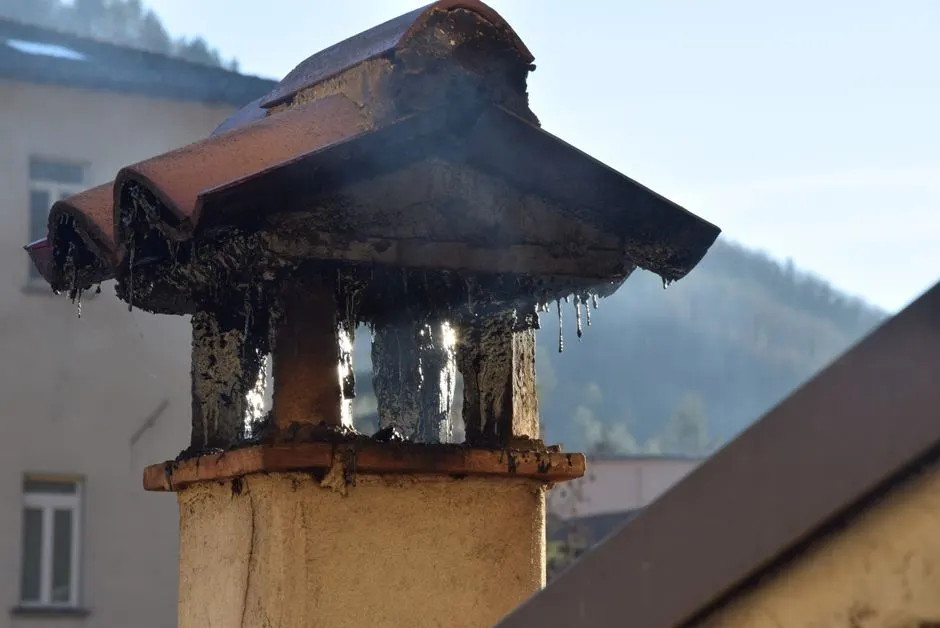 Soot RemovalSoot is acidic and eats into metal fixtures and finished lumber. We remove it with HEPA vacuums and dry chemical sponges before new material goes in, so the rebuild doesn't trap residue behind fresh drywall.Explore →
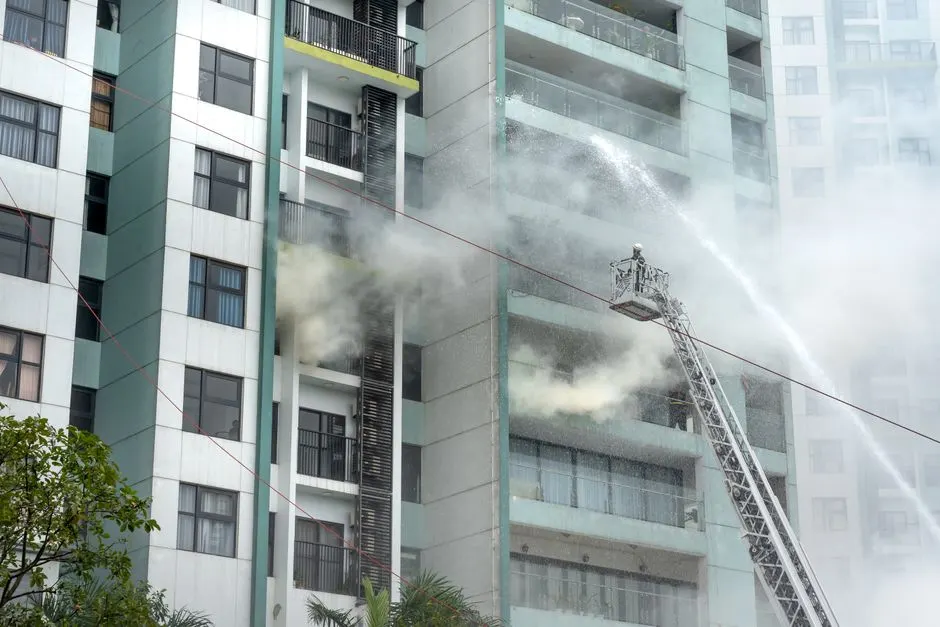 Smoke RemediationSmoke travels through HVAC ducts and wall cavities far from the burn room. We scope the ductwork and treat affected cavities with smoke sealant primer as part of the structural scope, not as an afterthought.Explore →
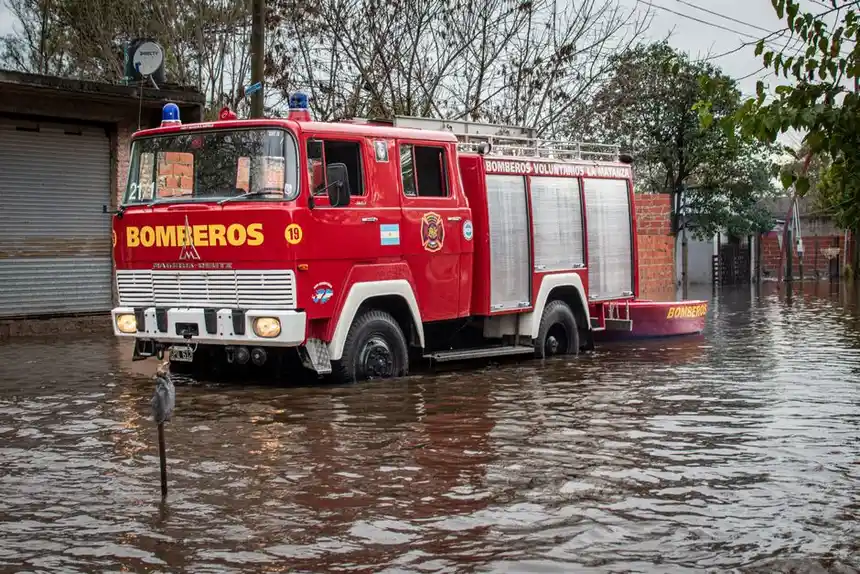 Fire and Flood RestorationFirefighting water soaks subfloor and insulation, and mold can start within 48 hours. We dry the structure to under 16 percent moisture content before framing goes back, so the rebuild doesn't seal in a mold problem.Explore →
 24 hour Fire RestorationFires don't wait for business hours. Our line is answered around the clock, and we dispatch board-up and assessment crews at night and on weekends throughout SUNLAND and the surrounding foothills.Explore →
One call gets a board-up crew and a same-day structural assessment on the schedule. We're licensed, insured and bonded, and we write the scope your adjuster will actually approve. Call now and we'll tell you what the rebuild looks like before you commit to anything.
Call Now (833) 929-6186 →Call (833) 929-6186 any hour of the day or night and a real person picks up. We dispatch crews 24/7 across SUNLAND and the surrounding foothills, and most calls get a technician on site within 60 to 90 minutes. If you prefer email, send photos and your address to info@firedamagerestorationsunland.com and we will follow up the same day.