Smoke odor lingering weeks after the fire
We remove the residue physically, then treat the air with hydroxyl generators and air scrubbers. Porous framing gets sealed with an encapsulant. We verify with a walkthrough before we call the job complete.
Soot Removal in SUNLAND, California is the first step back to a livable home after any fire, and it is the step most people underestimate. Soot is acidic, it stains within hours, and it works its way into drywall, insulation, and HVAC ducts. We handle soot cleanup in SUNLAND for kitchens, attics, garages, and whole houses, pulling residue off surfaces and odor out of the air so your family can move back in with confidence.
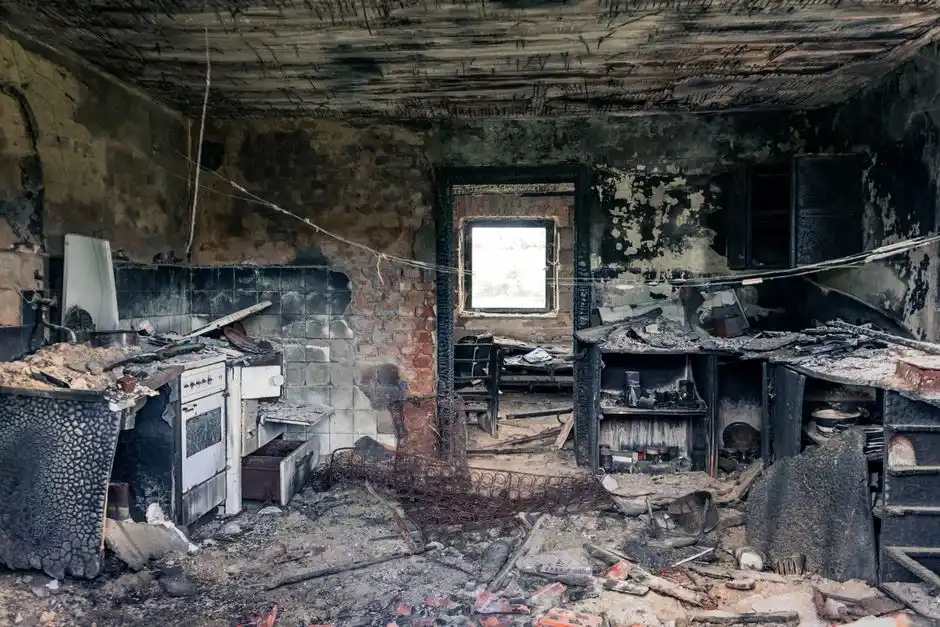
Soot Removal in SUNLAND, California is the process of physically removing fire residue, char, and the oily smoke film that settles on every surface after a fire, then neutralizing the odor molecules those residues leave behind. It is not a wipe-down with a rag and a spray bottle. Soot particles run from 0.1 to 4 microns, small enough to pass through a standard vacuum filter and settle again hours later. Proper removal means HEPA vacuuming first, then chemical sponge work, then wet cleaning, then sealing any porous material that cannot be cleaned.
In SUNLAND, most soot jobs we see come from kitchen grease fires, electrical fires in older knob-and-tube or aluminum wiring, and attic fires that smolder for hours before anyone notices. Foothill winds push smoke through a house fast, and the residue lands on walls, ceilings, and inside closets you never opened. If you are searching for soot removal in SUNLAND California near me at 2 a.m., that is usually the reason. The sooner the residue comes off, the less of your drywall, lumber, and insulation you have to replace.
Every soot removal job includes the core cleaning, air treatment, and documentation described below. What changes from house to house is the square footage, the number of affected rooms, and how much porous material has to be removed rather than cleaned. We tell you which category your job falls into at the assessment, before any work begins.
Ceilings, walls, floors, light fixtures, cabinet interiors, and closet shelves get HEPA vacuumed before any wet cleaning. This step alone removes the bulk of loose soot and keeps it from being smeared into the paint.
Painted drywall and ceilings get chemical sponge treatment, then a surface-appropriate wet clean and rinse. We match the cleaning agent to the residue type, because grease soot and electrical soot do not respond to the same chemistry.
We inspect the air handler, blower, and accessible ductwork for soot coating. If the system is contaminated, we clean it or recommend a duct cleaning before you run the heat again.
Hydroxyl generators and HEPA air scrubbers run throughout the job, with ozone used only in unoccupied spaces. We verify odor at the final walkthrough rather than assuming it worked.
Framing, subfloor, and roof decking that stays in place get sealed with a smoke sealant primer or encapsulant. This locks in residual odor and prevents it from bleeding back through new paint.
Photos, moisture logs, and an Xactimate line-item scope delivered to you and your adjuster. You get a copy of everything, so you are never guessing what was submitted on your claim.
We arrive, walk the house with you, and map the soot path using a thermal imaging camera and moisture meter. Firefighting water hides in wall cavities, and we need to find it before mold does. You get a written scope and an upfront price the same day, usually within 2 hours of your call.
We set up negative air machines and plastic containment so cleaning one room does not push soot into the rest of the house. Air scrubbers with HEPA filtration run continuously. On a typical job this stage takes 45 to 90 minutes to set up and runs for the duration of the work.
Technicians HEPA vacuum every surface first, working top to bottom so loosened residue falls onto areas not yet cleaned. We use chemical sponges on ceilings and painted walls, then drywall saws and pry bars only where material is too charred to save. This is the slowest stage, often 1 to 3 days on a whole-house job.
Walls, cabinets, and hard surfaces get wet-cleaned with the right agent for the surface, then rinsed. Porous framing that stays gets sealed with a smoke sealant primer or encapsulant so odor cannot bleed back through. Fiberlock and similar products are what we use because they hold up under California heat.
We run hydroxyl generators or an ozone generator in unoccupied spaces, then do a walkthrough with you. Lights on, nose test, surfaces checked. If anything still smells or shows residue, we clean it again before we pack up. Most customers get the all-clear within 3 to 7 days of the fire.
Purpose-built equipment, used by trained technicians — so the job is done accurately the first time.
The first tool on every job. Captures soot particles down to 0.3 microns so they are removed from the house instead of pushed into the air.
Finds hidden moisture from firefighting water inside wall cavities and ceilings before it becomes a mold problem.
Creates containment pressure so cleaning one room does not contaminate the rest of the house, and filters the air continuously during the job.
Neutralizes odor molecules in occupied and unoccupied spaces without the restrictions that come with ozone.
Used only in unoccupied spaces for severe odor, with the space sealed and ventilated afterward before anyone re-enters.
Reads moisture in framing and subfloor, and dries the structure so mold does not start in the 48 to 72 hour window after a fire.
Removes charred drywall and material that cannot be cleaned, so the rebuilt surface is not sitting on top of contaminated framing.
A grease fire on a gas range sent sticky soot across the kitchen ceiling, cabinets, and into the adjacent dining room. The homeowner had wiped the counters, which smeared the residue into the cabinet finish. The smell was strong enough that the family was sleeping in the living room.
We HEPA vacuumed the ceilings and cabinets, wet cleaned with a degreaser matched to protein-based soot, and sealed the cabinet interiors. Air scrubbers ran for 48 hours. The kitchen was usable in 2 days and the family was back in their bedrooms on night three.
An electrical fire in the attic burned for close to an hour before the homeowner noticed the smell. Soot coated the roof decking and framing, and saturated the blown-in insulation. The house smelled like smoke every time the heater ran.
We removed the saturated insulation, HEPA vacuumed and sealed the framing with a smoke sealant primer, and cleaned the air handler. A licensed electrician replaced the damaged wiring. Four days after the fire, the attic was clean and the heater ran without any smoke smell.
A small electrical fire in one unit of a fourplex left soot on the walls and ceiling of the affected unit and pushed residue into the shared vent. The landlord had one unit vacant and two tenants asking whether they needed to move out.
We cleaned the affected unit, checked the adjoining units and the shared vent, and found soot coating the vent interior. After cleaning, the unit was re-rentable in 3 days, and the neighboring tenants stayed in place with no smoke smell.
Most of the calls we get are not about the fire itself. They are about what the fire left behind, and what happens if it is not handled correctly.
Ask a pro →We remove the residue physically, then treat the air with hydroxyl generators and air scrubbers. Porous framing gets sealed with an encapsulant. We verify with a walkthrough before we call the job complete.
We HEPA vacuum first, top to bottom, then wet clean. That order matters. It is the difference between removing soot and pushing it around, and it is why our callbacks are rare.
We meter every affected cavity with a moisture meter, then run industrial dehumidifiers and air movers until readings are dry. Drying starts the same day as soot removal, not after.
We inspect the air handler and accessible ducts during the assessment. If the system is contaminated, we clean it or bring in a duct cleaning partner before the heat goes back on.
Most residential soot removal jobs in SUNLAND run $1,200 to $6,500 in 2026, with a typical single-room kitchen fire landing around $2,400. Whole-house jobs with attic involvement and HVAC cleaning climb toward the top of that range. Insurance usually covers the work when the fire is a covered peril, and we build the estimate in Xactimate so your adjuster can process it quickly.
We do, and we are local. Fire Damage Restoration Sunland has been handling soot cleanup in SUNLAND and the surrounding foothill neighborhoods since 2022. Call (833) 929-6186 and we will give you a straight answer on scope, price, and timing before we ever send a crew.
Yes, in most cases. Fire and smoke damage, including soot cleanup, is typically covered under a standard homeowners policy when the fire is a covered peril. We document everything with photos, moisture readings, and an itemized Xactimate scope, and we will communicate directly with your adjuster to keep the claim moving.
A single room takes 1 to 2 days. A whole house with attic or HVAC involvement takes 3 to 7 days, and the timeline depends mostly on how much porous material has to be removed versus cleaned. We give you a day-by-day schedule at the assessment so you know when each stage finishes.
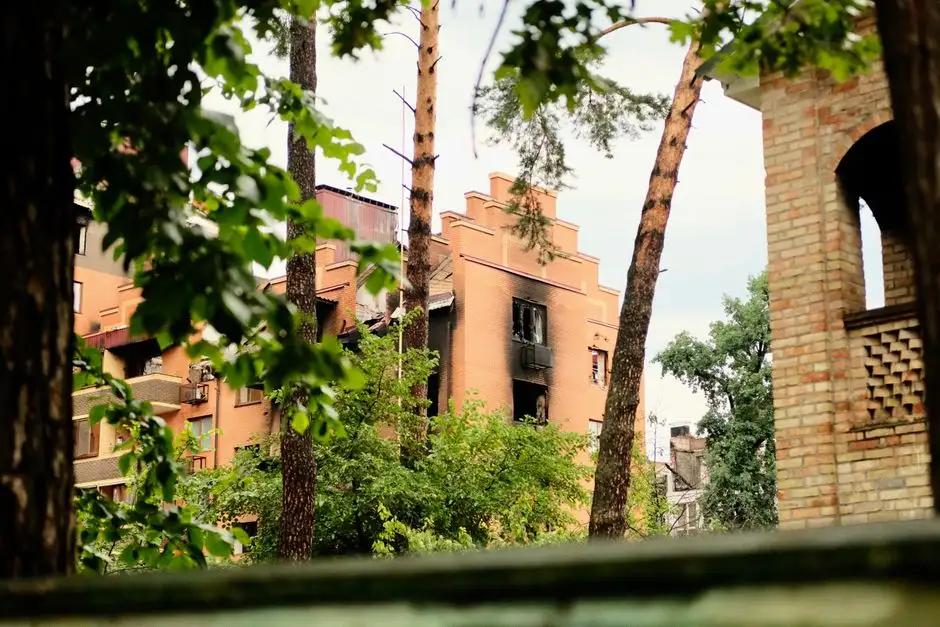 Smoke Damage RestorationSoot removal handles the visible residue; smoke damage restoration handles what soaked into framing, insulation, and furnishings. We usually run both on the same job so odor does not come back after the cleaning pass.Explore →
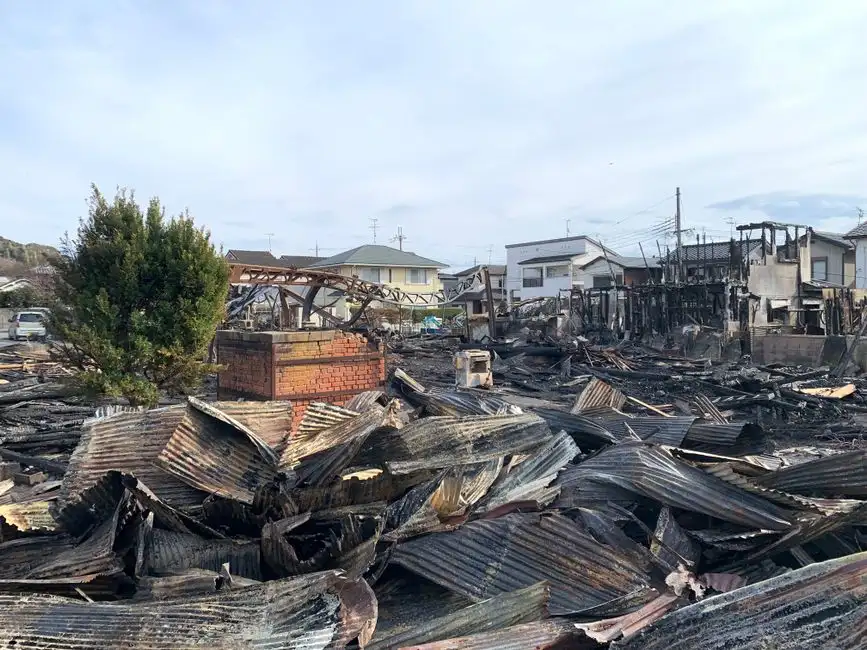 Fire Damage Clean UpDebris hauling, char removal, and board-up happen alongside soot cleaning on most SUNLAND jobs. If a window or roof was opened by the fire department, we secure the structure before we start cleaning.Explore →
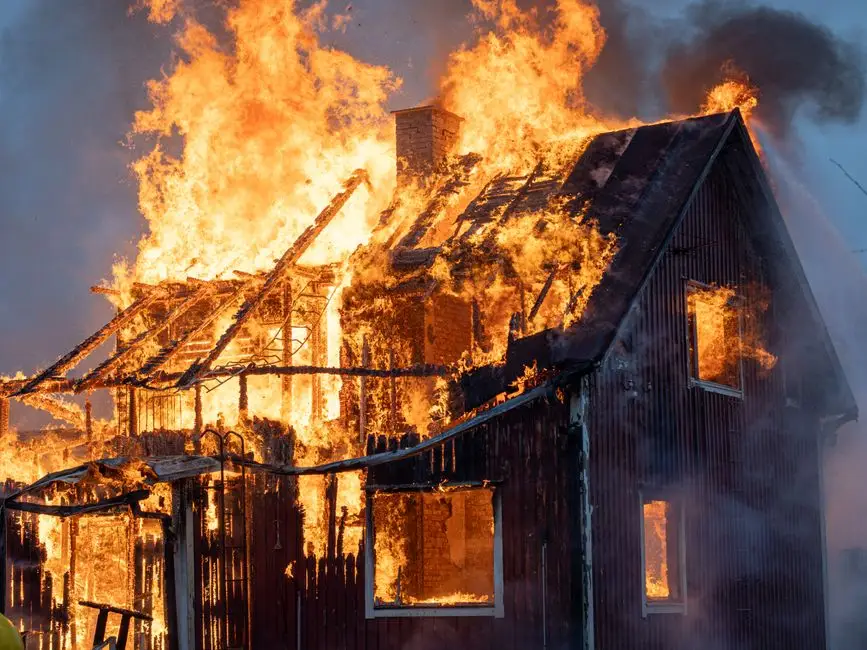 Emergency Fire Damage RestorationWhen the fire was last night, this is the 24/7 response that stops the damage from spreading. We stabilize the structure, start soot removal, and get drying equipment running for the firefighting water.Explore →
 Structural Repair After FireOnce the soot is off, we can see what is actually damaged. Charred framing, melted wiring, and roof damage from fire get repaired to California code by our licensed crew.Explore →
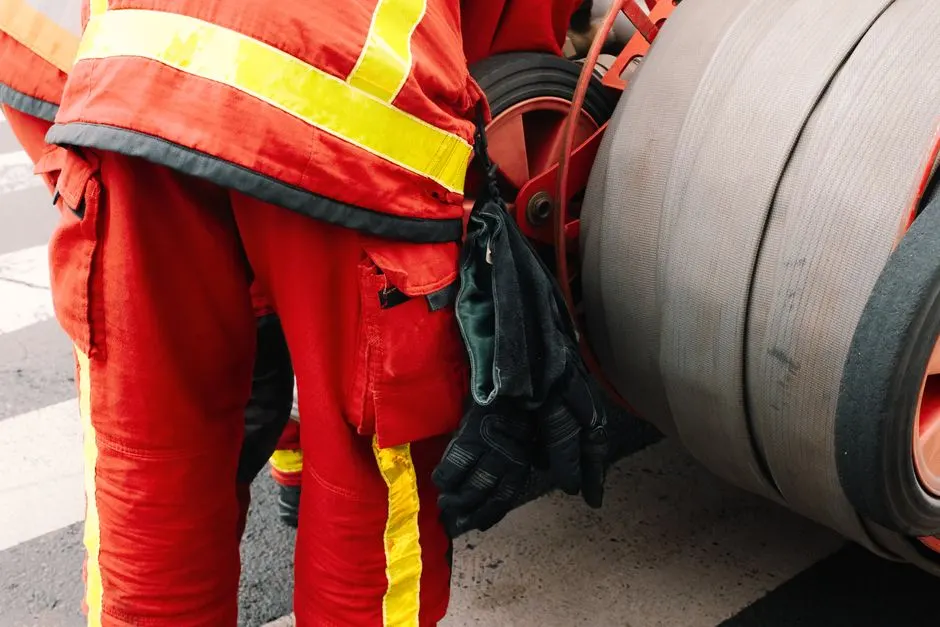 Odor Removal After FireSoot removal gets the source out; odor removal finishes the job with hydroxyl and ozone treatment. We verify with a walkthrough before we call it done, because a house that still smells is not a house you can live in.Explore →
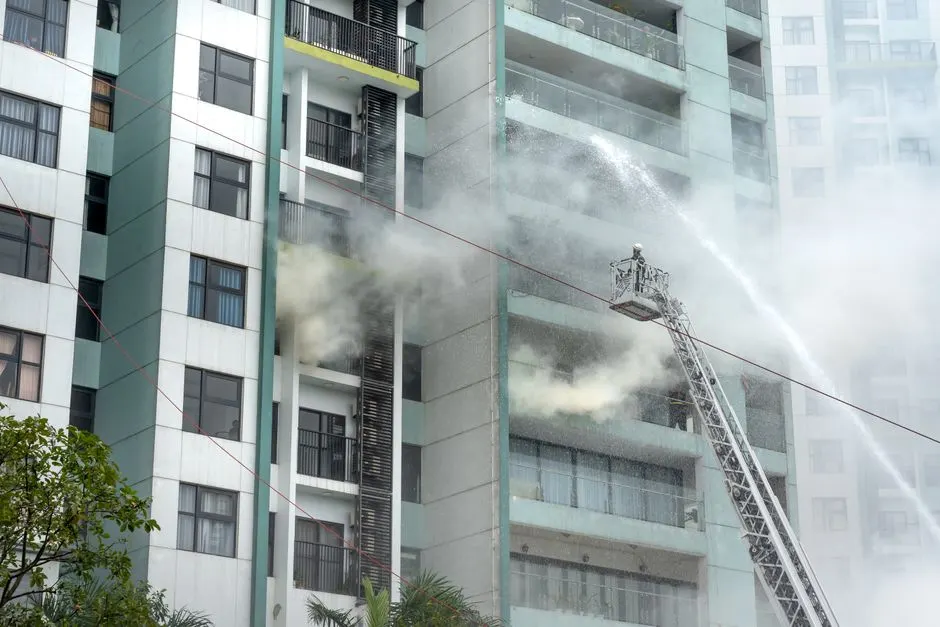 Smoke RemediationSmoke remediation focuses on the fine particles and gases that travel farther than visible soot. We use air scrubbers and HEPA filtration to pull those particles out of the air and off surfaces in every room.Explore →
 Fire and Flood RestorationFirefighting water causes as much damage as the fire in many SUNLAND homes. We dry the structure with industrial dehumidifiers and air movers while we clean soot, so mold does not get a foothold.Explore →
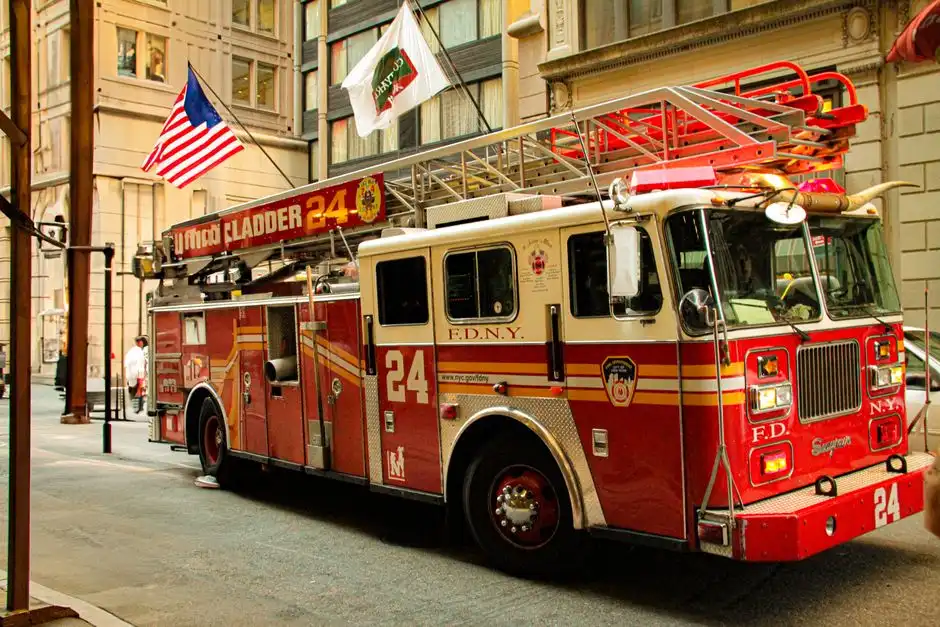 24 hour Fire RestorationFires do not keep business hours, so we do not either. Call any time and a technician is dispatched, usually arriving within 60 to 90 minutes anywhere in the SUNLAND area.Explore →
Soot damage gets worse every hour it sits, and the cleaning cost goes up with it. Call (833) 929-6186 and we will give you a firm price and a start time, usually within 60 to 90 minutes. Licensed, insured, and local since 2022.
Call Now (833) 929-6186 →Call (833) 929-6186 any hour of the day or night and a real person picks up. We dispatch crews 24/7 across SUNLAND and the surrounding foothills, and most calls get a technician on site within 60 to 90 minutes. If you prefer email, send photos and your address to info@firedamagerestorationsunland.com and we will follow up the same day.