Smoke odor lingering in bedrooms and closets
We run hydroxyl generators and air scrubbers until a re-sniff test passes, wash or replace soft goods, and seal the framing. That is what separates real odor removal after fire from a temporary cover-up.
When a kitchen fire or attic blaze leaves your home charred and wet, our 24 hour Fire Restoration in SUNLAND, California team rolls out with boards, extractors and air scrubbers. We handle the round the clock fire restoration in SUNLAND that keeps a small fire from becoming a mold and structural problem. One call starts the work.
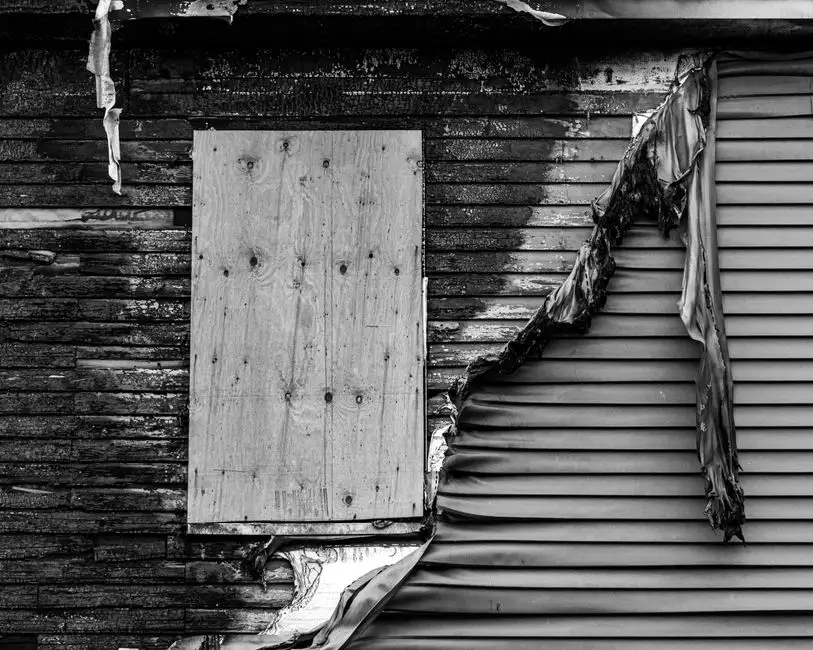
24 hour Fire Restoration in SUNLAND, California is the emergency service that boards up, dries out and deodorizes a fire-damaged building any hour of the day or night. The work starts with a thermal imaging camera walk-through to map charred framing and hidden heat pockets, then moves to water extraction from firefighting lines, HEPA vacuuming of soot, and sealing of smoke residue before it etches into drywall and finishes. We photograph every room for your insurance claim and set air scrubbers and hydroxyl generators running the same visit.
Fires in this foothill corridor rarely stay contained to one room. Sunland and Sunland-Tujunga homes sit close to brush, and a kitchen flare-up often travels through attic vents and HVAC returns, leaving smoke odor lingering in bedrooms that never saw flame. That is why we treat SUNLAND round the clock fire restoration as a whole-house job: soot residue on surfaces, water damage from firefighting, and the risk of mold growth after fire all get handled in the same mobilization. If you searched for 24 hour fire restoration in SUNLAND California near me at 2 a.m., we are the crew that answers.
Every 24 hour Fire Restoration in SUNLAND job starts with the same core scope: emergency board-up, water extraction, soot removal, drying and odor control. Reconstruction is quoted separately once the structure is dry and the adjuster has seen the photos. Here is what the core service covers.
Windows, doors and roof damage from fire get sealed with plywood and tarps on the first visit. This keeps rain, animals and theft out of an open house and protects the interior until repairs begin.
Firefighting water comes out with extractors, then industrial dehumidifiers and air movers run until a moisture meter confirms a dry standard. Insulation and subfloor get checked, not just the visible carpet.
HEPA vacuums and dry chemical sponges lift soot off ceilings, walls and contents before wet cleaning. We also clean the HVAC returns, since smoke damage to the HVAC system is one of the most commonly missed line items.
Hydroxyl generators and air scrubbers run for 2 to 4 days, with ozone treatment in unoccupied spaces. Framing gets a smoke sealant primer and finished surfaces get encapsulant so odor does not return with warm weather.
Room-by-room photos, moisture readings and an Xactimate scope go to your adjuster within 48 hours. You get a copy of everything, which makes the claim conversation much shorter.
You reach a live person, not a voicemail box. We take the address, the type of fire and whether the power or gas is shut off, then dispatch a crew from our Sunland-area staging point. Typical arrival is 60 to 90 minutes anywhere along the Sunland Boulevard Corridor or Foothill Boulevard District.
First we make the building safe: board up broken windows, tarp roof damage from fire, and shut off utilities if that has not happened. Then a IICRC Fire and Smoke Restoration Technician walks the house with a thermal imaging camera and moisture meter, tagging every affected room and photographing it for your claim.
Standing water from the hoses comes out with extractors, then we HEPA vacuum soot off ceilings, walls and contents before any wet cleaning, which keeps the residue from smearing deeper. Melted wiring and charred framing get isolated and documented. This phase usually runs 4 to 8 hours on a single-family home.
Air scrubbers, negative air machines and hydroxyl generators run for 2 to 4 days, depending on how far smoke traveled through the HVAC system. We seal smoke-affected framing with a smoke sealant primer and finish surfaces with encapsulant so odor does not bleed back out in summer heat.
Drywall, insulation, lumber and roofing shingles go back in to code, and we walk the house with you room by room before we pull the equipment. You get the photo record, the dry readings and a written scope you can hand straight to your adjuster.
Purpose-built equipment, used by trained technicians — so the job is done accurately the first time.
Finds hidden hot spots and charred framing behind intact drywall, so we do not miss damage the eye cannot see.
Captures fine soot and smoke particles instead of pushing them around. Scrubbers run continuously during cleaning and drying.
Neutralizes smoke odor at the molecular level. Hydroxyl units run in occupied spaces; ozone runs only in empty rooms.
Pulls firefighting water out of framing, insulation and subfloor. Dri-Eaz and Phoenix Restoration Equipment units are our standard.
Verifies dry standard before equipment comes out. We show you the readings so the drying phase is not a mystery.
Creates pressure differentials that keep soot and mold spores from spreading into clean rooms during demolition.
Opens walls for inspection and removal of charred material. Controlled demolition is part of every structural repair after fire.
A grease fire scorched the cabinets, melted a range hood and sent soot through the living room and hallway. The HVAC return was black, and the house smelled of smoke three rooms away from the kitchen.
We HEPA vacuumed and degreased every surface, cleaned the ductwork and ran hydroxyl generators for three days. The re-sniff test passed, and the kitchen rebuild was scheduled with the same scope the adjuster approved.
Old wiring arced and charred two rafters and a section of decking. Smoke vented down through the ceiling into two bedrooms, and the roof was open to the weather.
We tarped the roof the same night, removed the charred framing and insulation, and dried the water the hoses left behind. New decking and shingles went on within a week, and both bedrooms passed a re-sniff test.
A kitchen fire in one unit damaged two apartments and smoked out four more through a shared attic. The property manager had four tenants calling and no single scope.
We assessed every unit, cleaned the shared HVAC paths and produced one Xactimate scope covering all six units. Four were reoccupied within a week, and the two damaged units were rebuilt on a documented schedule.
Most fire calls here are not total losses. They are small fires with big after-effects, and the after-effects are what we are built to handle.
Ask a pro →We run hydroxyl generators and air scrubbers until a re-sniff test passes, wash or replace soft goods, and seal the framing. That is what separates real odor removal after fire from a temporary cover-up.
Our crews HEPA vacuum and dry-sponge the residue first, then use the right cleaner per surface. We photograph each room before and after so the claim reflects the actual damage.
Extraction, industrial dehumidifiers and air movers run until moisture meter readings hit dry standard. We do not pull equipment on a timer; we pull it when the numbers say so.
We tarp or board the roof the same night, then schedule roofing shingles and decking replacement as part of the structural repair after fire. The house stays closed to weather in between.
We do, and we answer the phone every hour of the day. Call (833) 929-6186 and a live dispatcher takes your address and fire details, then sends a crew. Typical arrival is 60 to 90 minutes in Sunland and the surrounding foothill neighborhoods. We board up, extract water and start soot removal on that first visit, not the next morning.
Most single-room fire cleanups in this area run $3,000 to $12,000 in 2026, and whole-house jobs with structural repair climb from there. Board-up alone is often $500 to $1,500. Your insurance carrier usually covers most of it, and we build the estimate in Xactimate so the numbers line up with what your adjuster expects to see.
Yes. Our crews run nights, weekends and holidays, including the wind-driven fire season when this corridor gets busy. You get the same board-up, extraction and air scrubbing at 2 a.m. as at 2 p.m. There is no after-hours surcharge on the emergency call-out itself, and no waiting until Monday for a soot assessment.
Sixty to ninety minutes is our normal arrival window in Sunland, Sunland-Tujunga and Shadow Hills. La Tuna Canyon and Mount Gleason addresses can run slightly longer because of the roads. Once on site we secure the building first, then start the assessment, so the house is protected before any paperwork begins.
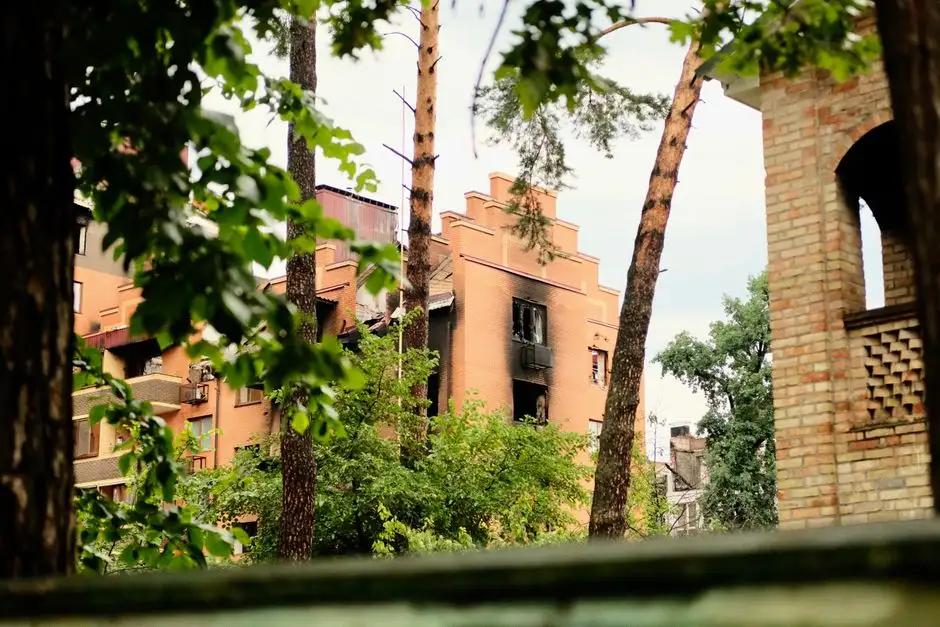 Smoke Damage RestorationSmoke travels farther than flame, and our smoke damage restoration follows it into closets, attic cavities and ductwork. We pair it with 24 hour Fire Restoration in SUNLAND so odor and residue get handled in the same mobilization instead of resurfacing weeks later.Explore →
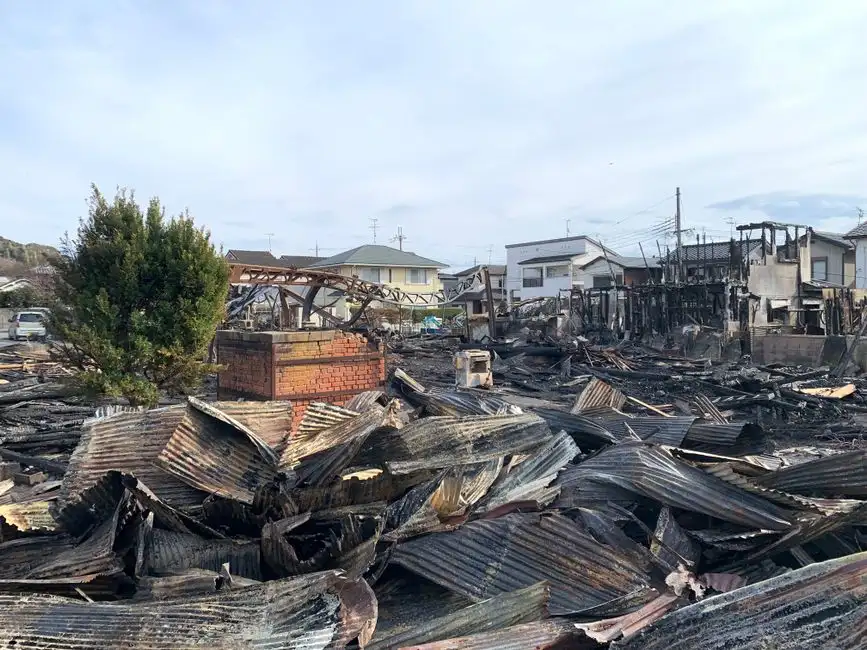 Fire Damage Clean UpFire damage clean up covers the debris, ash and charred contents that have to leave the house before drying or repair can start. We haul it out, HEPA vacuum the surfaces and stage the rooms so the restoration crew can work clean.Explore →
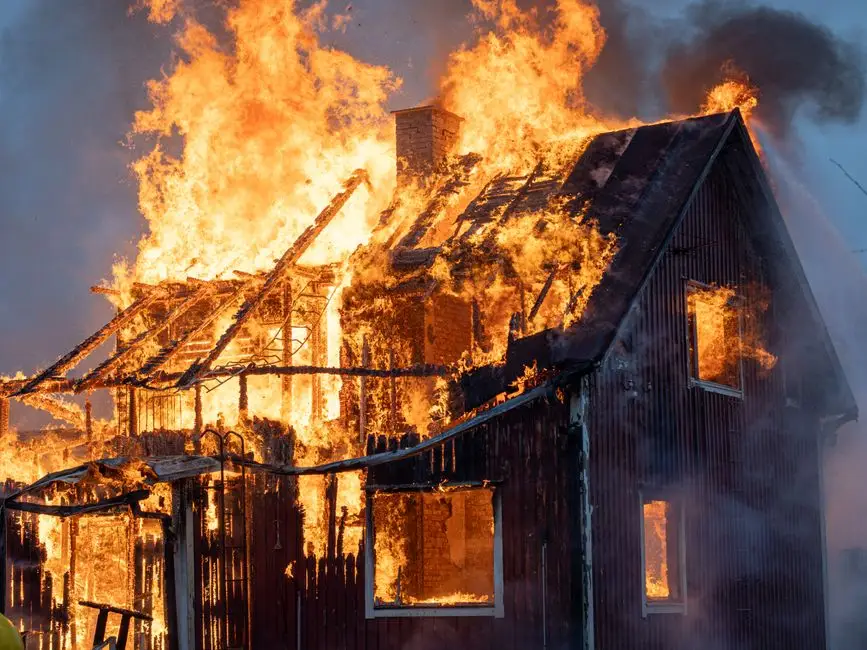 Emergency Fire Damage RestorationEmergency fire damage restoration is the first 24 to 72 hours: board-up, water extraction, soot control and safety checks. It is the front half of every 24 hour Fire Restoration in SUNLAND job, and it is what keeps a small fire from turning into a structural loss.Explore →
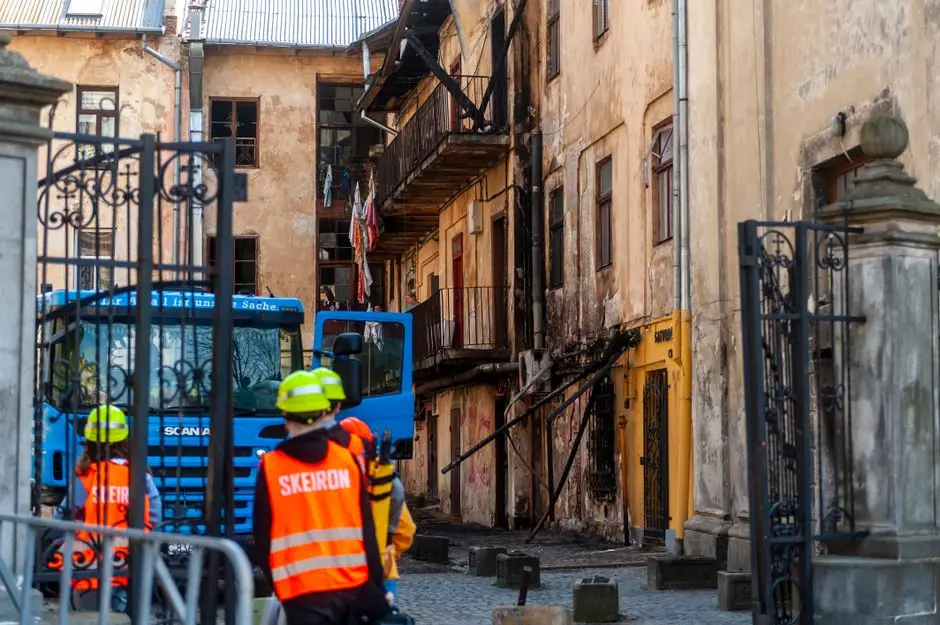 Structural Repair After FireOnce the house is dry and clean, structural repair after fire puts charred framing, drywall, insulation and roofing shingles back to code. We handle the rebuild with the same crew that documented the damage, so nothing gets lost between the claim and the construction.Explore →
 Odor Removal After FireOdor removal after fire is a separate skill from cleaning. Hydroxyl generators, ozone treatment and charcoal odor absorbers run until a re-sniff test passes, which is how we keep smoke odor lingering in a house from coming back the first hot week of summer.Explore →
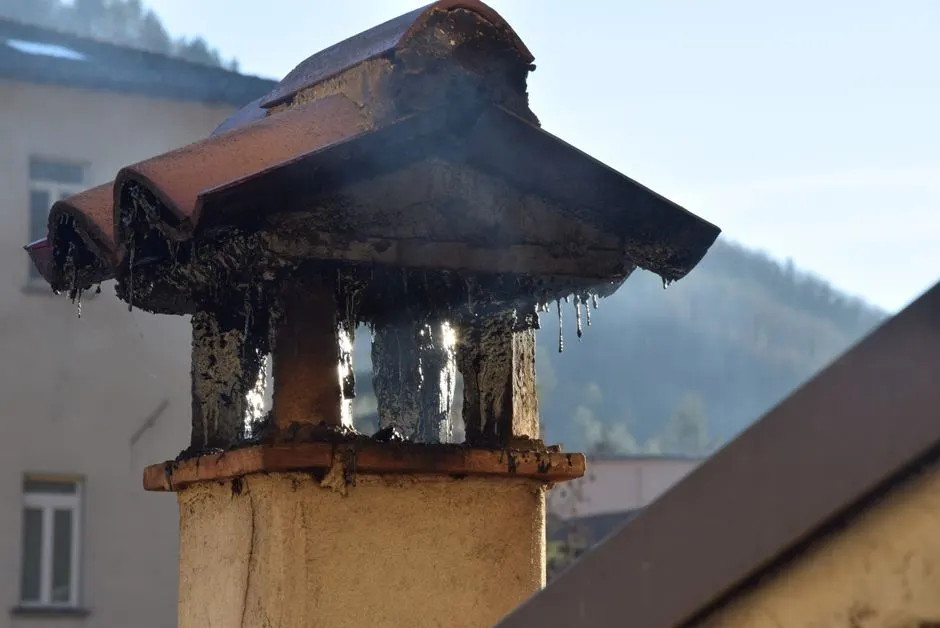 Soot RemovalSoot residue on surfaces is acidic and etches metal and finished wood within days. Our soot removal uses HEPA vacuums and dry chemical sponges before any wet cleaning, protecting the surfaces underneath while the 24 hour Fire Restoration in SUNLAND work continues.Explore →
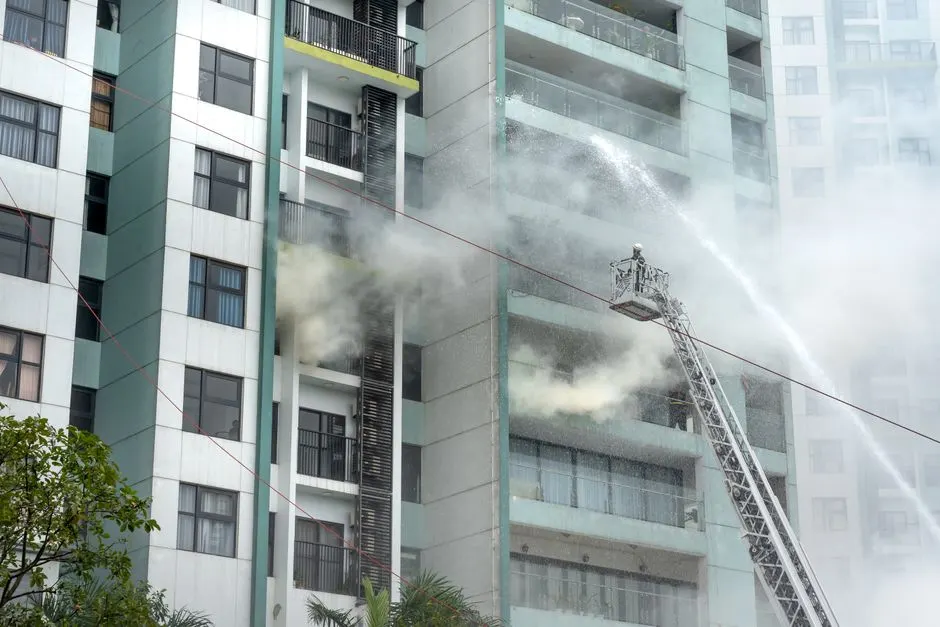 Smoke RemediationSmoke remediation targets the invisible part of a fire: the particles lodged in insulation, upholstery and HVAC returns. Air scrubbers and negative air machines pull them out while we seal framing, which is why the house smells neutral instead of perfumed when we finish.Explore →
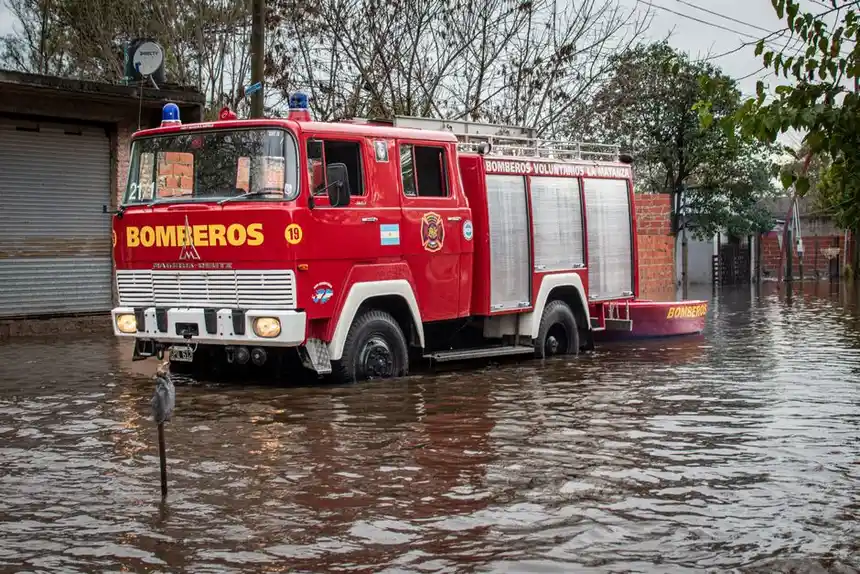 Fire and Flood RestorationFire and flood restoration handles the one-two punch most people do not expect: the fire itself, then the hundreds of gallons the hoses put into the walls. We dry the structure to a verified standard before reconstruction, which closes the door on mold growth after fire.Explore →
One call gets a live dispatcher, a 60 to 90 minute arrival window and a crew that boards up the same night. We are licensed, insured and IICRC certified, and we have been working this corridor since 2022. Call (833) 929-6186 now.
Call Now (833) 929-6186 →Call (833) 929-6186 any hour of the day or night and a real person picks up. We dispatch crews 24/7 across SUNLAND and the surrounding foothills, and most calls get a technician on site within 60 to 90 minutes. If you prefer email, send photos and your address to info@firedamagerestorationsunland.com and we will follow up the same day.