Smoke odor lingering weeks after the fire
We locate the odor source with thermal imaging and air sampling, run hydroxyl generators sized to the cubic footage, and seal the surfaces the smoke penetrated. Most homes read clean in 2 to 4 days.
Fire Damage Clean Up in SUNLAND, California starts with a room-by-room assessment and ends with a certificate of completion your adjuster can use. We pull charred framing, HEPA-vacuum every surface, run air scrubbers and hydroxyl generators until smoke odor reads clean, and dry the water firefighters left behind. If you need fire cleanup in SUNLAND tonight, our crews roll from the Sunland Boulevard Corridor with equipment already loaded.
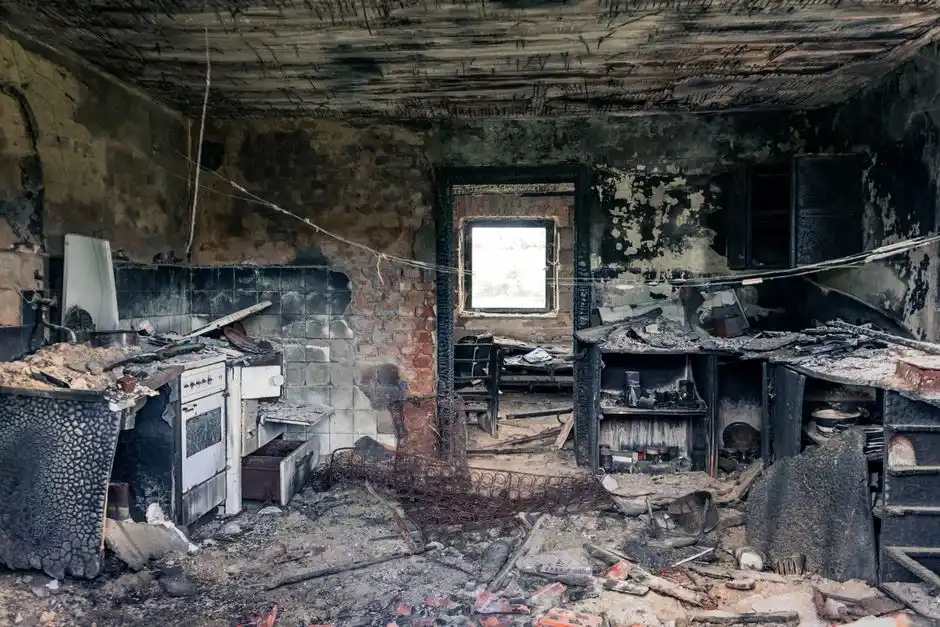
Fire Damage Clean Up in SUNLAND, California is the physical removal and neutralization of everything a fire leaves behind: soot residue, charred lumber and drywall, melted wiring, smoke-saturated insulation, and the thousands of gallons of water firefighters pumped into the structure. It is not a shop-vac job. Soot is acidic and etches chrome, glass, and finished hardwood within days. Smoke odor binds to drywall paper and HVAC ductwork and comes back every time the furnace kicks on. We test surfaces with a moisture meter and thermal imaging camera before we touch anything, because a wall that looks dry on the outside is often soaked behind the baseboard.
Most SUNLAND calls we take fall into four buckets: kitchen grease fires that climb into the cabinets, electrical fires behind older knob-and-tube or aluminum branch wiring, attic fires that smolder in 1940s-era lumber for an hour before anyone smells smoke, and brush-driven fires pushing down Haines Canyon or Mount Gleason. Each one leaves a different residue profile, and each one needs a different cleaning chemistry. If you are searching for fire damage clean up in SUNLAND California near me at 2 a.m., the answer is a crew that arrives with an air scrubber, a HEPA vacuum, and a written scope, not a guy with a trailer.
The core scope covers everything needed to make the structure safe, clean, and ready for rebuild. Structural repair, contents replacement, and temporary housing are handled separately, usually through your insurance claim.
Windows, doors, and roof openings secured the same day, typically within 2 to 4 hours. This keeps weather and unauthorized entry out of a structure that is already compromised.
Charred drywall, lumber, insulation, and contents bagged and removed through permitted disposal channels. We document the volume for your adjuster before anything leaves the property.
HEPA vacuuming and dry chemical sponge work on walls, ceilings, cabinets, and fixtures, matched to the residue type. Protein, grease, and wood smoke each need a different approach.
Firefighting water comes out with extractors, then industrial dehumidifiers and air movers run until framing reads dry on the moisture meter. This is the step that prevents mold growth after fire.
Hydroxyl generators run 24 to 72 hours, followed by smoke sealant primer on exposed framing. Sealing is what keeps the odor from returning after the rebuild is painted.
Smoke damage to the HVAC system spreads every time the system runs. We clean the ducts and air handler so the first heating cycle after the fire does not recontaminate the house.
We secure windows, doors, and roof openings the same day, usually within 2 to 4 hours of the call. A tarp-over on a damaged roof keeps November rain out of a structure that already has enough problems. This step is billed separately and documented for your claim.
A technician walks every room with a thermal imaging camera and moisture meter, mapping water from firefighting and finding hidden char inside wall cavities. We photograph everything and build the Xactimate estimate from that walk. Expect 60 to 90 minutes on a typical single-family home.
Charred drywall, lumber, and insulation come out first, using pry bars and drywall saws, then HEPA vacuums pull loose soot off every remaining surface. We bag debris as we go. On a 1,500-square-foot house, this stage usually runs 2 to 4 days with a three-person crew.
Industrial dehumidifiers and air movers run until framing reads within 2 points of dry standard on the moisture meter. Air scrubbers with HEPA filtration run continuously, and hydroxyl generators handle odor in occupied-adjacent spaces where ozone is not safe to use.
We apply a smoke sealant primer and fire retardant coatings to exposed framing, then do a final walk with you room by room. You get photos, moisture readings, and the completed scope in writing. If a general contractor is needed for structural repair after fire, we hand off clean documentation instead of leaving you to start over.
Purpose-built equipment, used by trained technicians — so the job is done accurately the first time.
Finds hidden char and water inside wall cavities without opening every wall. It is how we avoid tearing out drywall that does not need to come out.
Pulls fine soot particles off surfaces without blowing them back into the air. Standard shop vacuums make soot airborne and spread it to rooms that were clean.
Runs continuous HEPA filtration in the work zone, capturing airborne particles during demolition and cleaning. Essential on any job where walls are being opened.
Neutralizes smoke odor in occupied-adjacent spaces where ozone is not safe. Runs 24 to 72 hours depending on the cubic footage of the house.
Dri-Eaz and Phoenix Restoration Equipment units pull moisture out of framing and flooring after firefighting water. We run them until the moisture meter reads dry standard.
Verifies that framing and subfloor are actually dry before the rebuild starts. A wall that feels dry can still read 20 percent moisture behind the baseboard.
Creates pressure differentials that keep soot and dust from migrating into unaffected rooms during demolition. Standard on any job with a contained work zone.
A grease fire climbed into the upper cabinets and sent smoke through a 1,600-square-foot house. Soot coated the kitchen ceiling, the living room furniture, and the inside of the HVAC ducts. The homeowner had been running a box fan, which spread the residue further.
Cabinets were HEPA-vacuumed and cleaned with grease-specific chemistry, ducts were cleaned, and hydroxyl generators ran for 48 hours. Moisture readings confirmed the firefighting water had not reached the subfloor. The kitchen was usable again in 5 days.
An electrical fire smoldered in the attic insulation for close to an hour before the smoke alarm triggered. Charred lumber and melted wiring were visible from the access hatch, and the thermal camera found two hot spots the homeowner did not know about.
Charred insulation and lumber were removed, hot spots were verified clear, and the framing was sealed with smoke sealant primer. The dry-out brought framing moisture from 24 percent down to 11 percent. The roofing contractor rebuilt over a documented, clean deck.
A single-unit fire in a fourplex left smoke damage in the affected unit and unknown smoke infiltration in the three adjacent units. The property manager needed all four units documented before re-renting any of them.
The affected unit was cleaned and sealed over 6 days. Air sampling confirmed the adjacent units were clear, and written readings were provided for all four. All units were re-rented within 11 days of the fire.
The fire is out. The problems it left behind are just starting. These are the ones we hear about most, and what happens when they get ignored.
Ask a pro →We locate the odor source with thermal imaging and air sampling, run hydroxyl generators sized to the cubic footage, and seal the surfaces the smoke penetrated. Most homes read clean in 2 to 4 days.
Our crews neutralize surfaces on the first visit using dry chemical sponges and HEPA vacuums matched to the residue. Early cleaning is why most fixtures survive instead of getting replaced.
We extract standing water, meter every wall cavity, and run dehumidifiers until framing reads within 2 points of dry standard. The dry-out is documented with readings your adjuster can verify.
Thermal imaging and moisture meters find the hot spots before demolition starts. We open the cavity, remove the char, and document it in the Xactimate scope so the repair is covered.
Most residential fire damage clean up jobs in SUNLAND run $3,200 to $12,500 in 2026, with small contained fires at the low end and multi-room fires with attic involvement at the top. Structural repair, cabinet replacement, and contents restoration are priced separately. We provide a written Xactimate scope before work begins, and most homeowners pay only their deductible once the claim is approved.
We do, and we are based in the Sunland area rather than driving in from across the valley. Our crews cover Sunland-Tujunga, Shadow Hills, La Tuna Canyon, Verdugo Hills, and the neighborhoods off Roscoe and Glenoaks. Call (833) 929-6186 and a dispatcher will confirm a window, usually 2 to 4 hours for board-up and same day for the full assessment.
It includes emergency board-up, debris removal, HEPA vacuuming of soot from all surfaces, HVAC and duct cleaning, dry-out of firefighting water, deodorization with hydroxyl generators, and sealing of charred framing. Contents get inventoried and either cleaned or written off. We finish with a room-by-room walkthrough and photos your adjuster can use to close the claim.
Yes, standard California homeowners policies cover fire cleanup and smoke damage, usually including debris removal and temporary housing. We work directly with your adjuster and bill the carrier for covered work. You are responsible for the deductible. Keep every receipt for hotel and meals, since those are reimbursable under most policies.
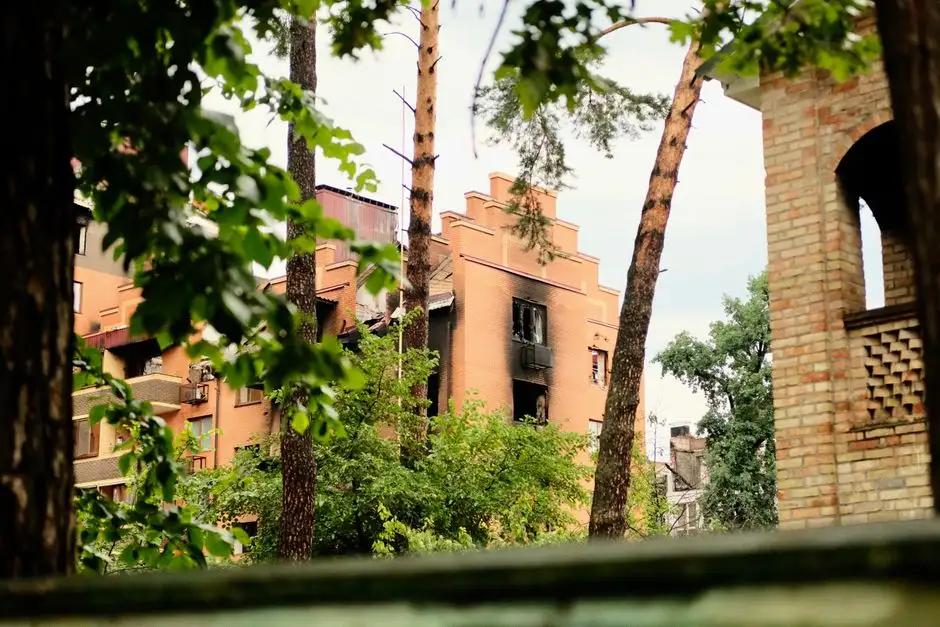 Smoke Damage RestorationSmoke travels farther than flame, often into rooms the fire never touched. We clean and seal those spaces so odor does not return when the weather warms up.Explore →
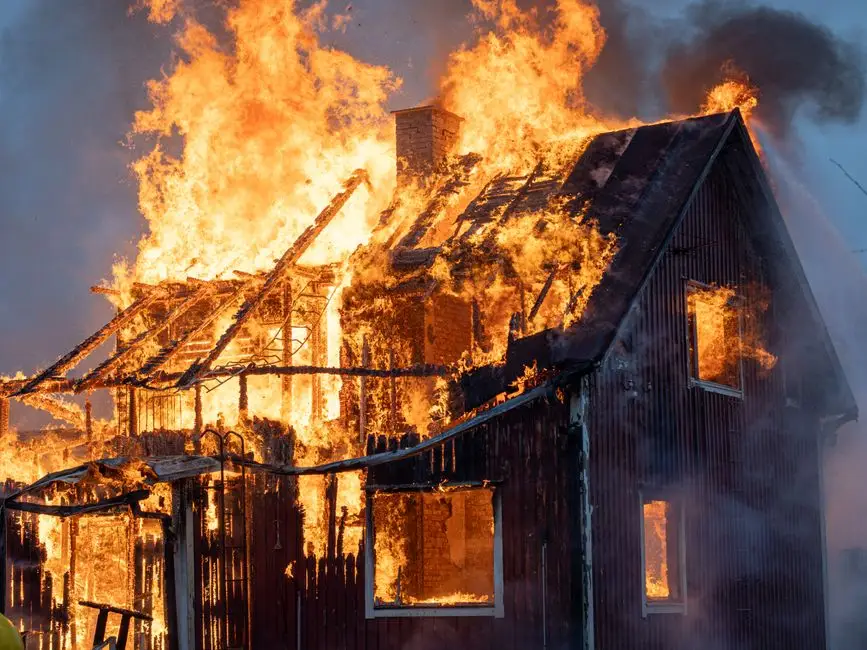 Emergency Fire Damage RestorationBoard-up, tarp-over, and water extraction within hours of the call. This is the first-response layer that keeps a small fire from becoming a structural claim.Explore →
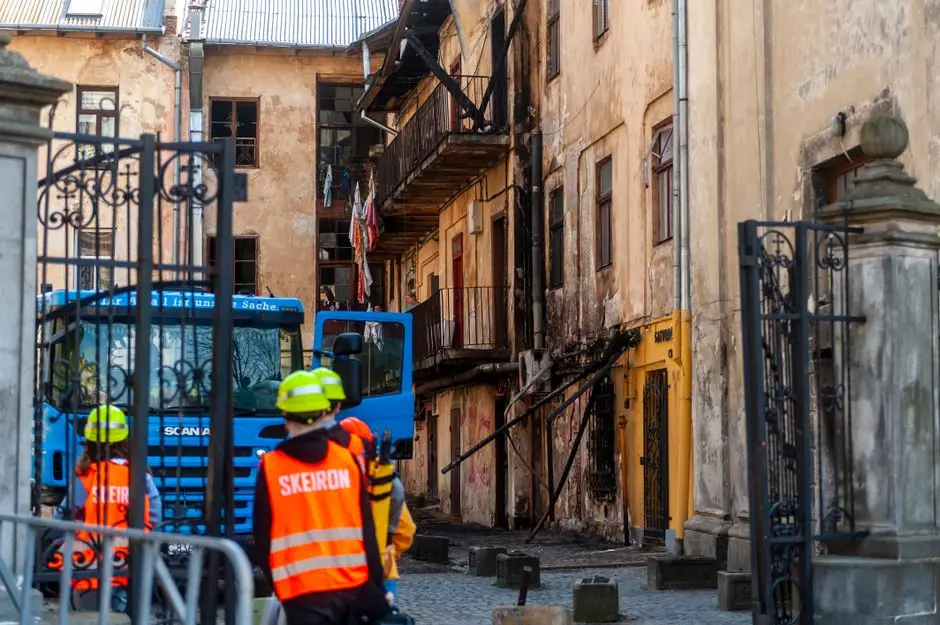 Structural Repair After FireOnce cleanup is done, framing, drywall, and roofing get rebuilt to code. We hand off clean documentation so your contractor is not guessing at what was damaged.Explore →
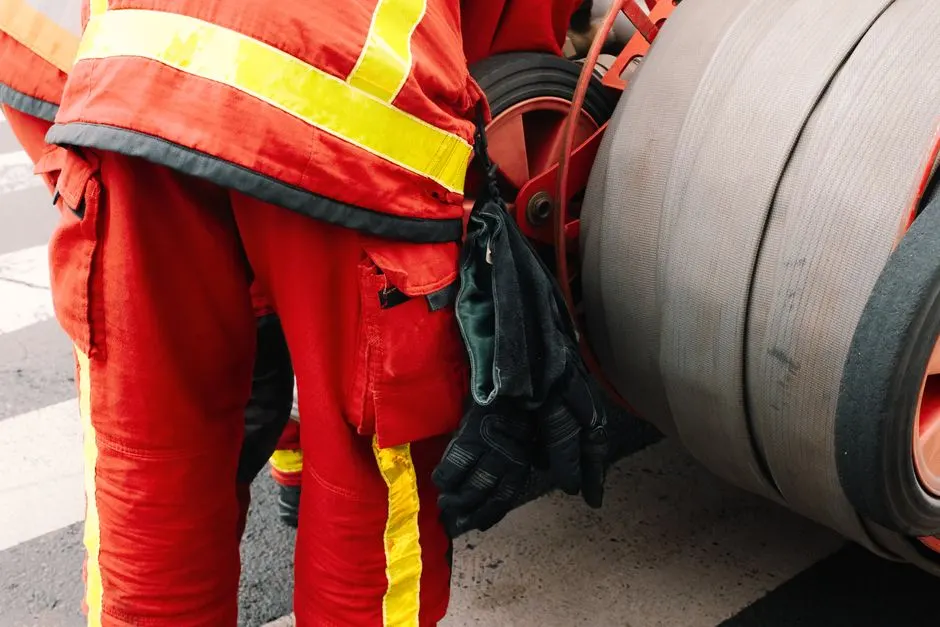 Odor Removal After FireHydroxyl and ozone treatment sized to the cubic footage of the house, plus sealing of the surfaces smoke soaked into. This is what makes the difference between clean and covered up.Explore →
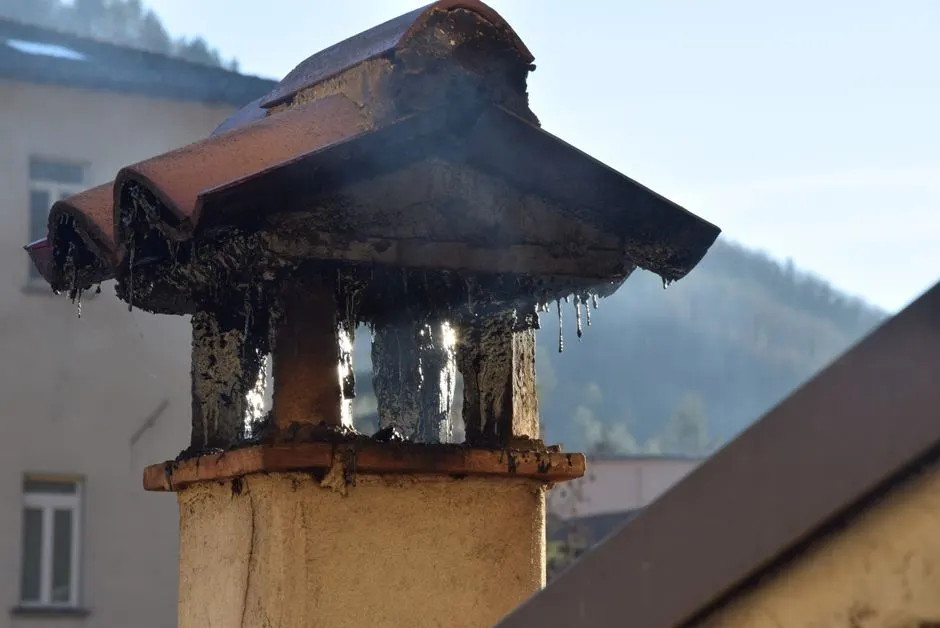 Soot RemovalSoot is acidic and etches metal and glass within days. We use dry chemical sponges and HEPA vacuums matched to the residue type, not a wet rag that smears it deeper.Explore →
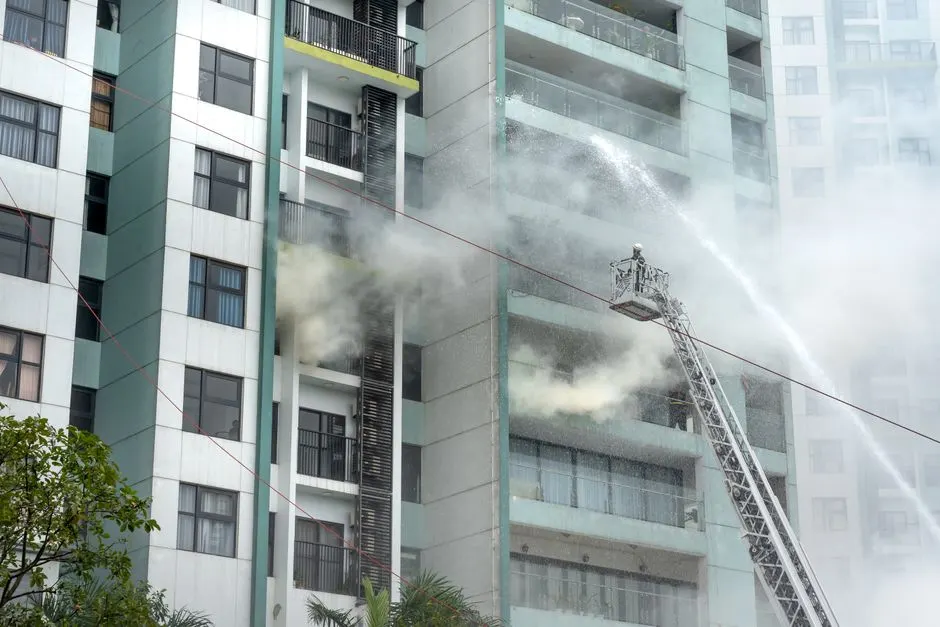 Smoke RemediationDuct cleaning, air scrubber runs, and surface sealing for homes where the fire was small but the smoke smell is not. Common after kitchen fires in Sunland.Explore →
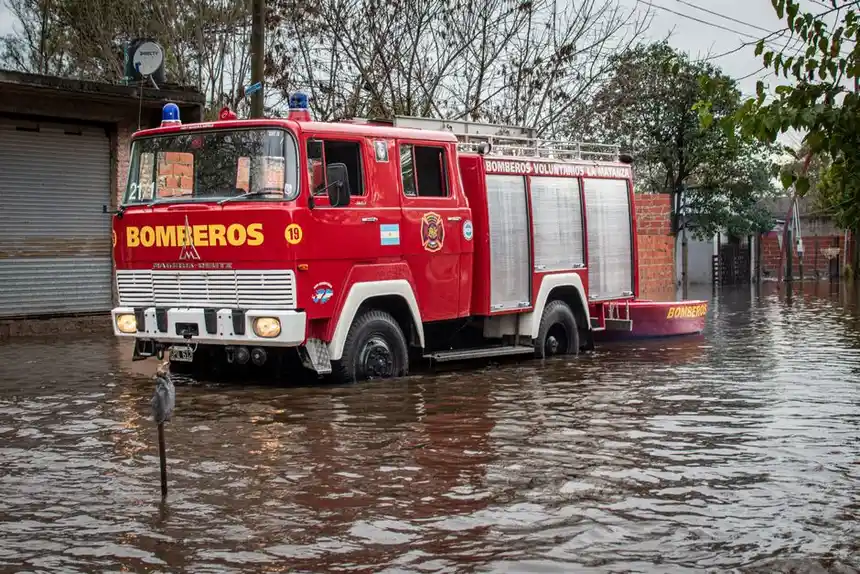 Fire and Flood RestorationFires get put out with water, and that water has to come out too. We dry the structure to standard before any rebuild starts, which prevents mold growth after fire.Explore →
 24 hour Fire RestorationLive dispatch around the clock, including holidays. Night calls get the same crew and the same equipment as a weekday morning call.Explore →
Board-up crews are on call around the clock, and the assessment starts the same day. Call (833) 929-6186 and a dispatcher will confirm your window before you hang up. Licensed, insured, and working directly with your adjuster.
Call Now (833) 929-6186 →Call (833) 929-6186 any hour of the day or night and a real person picks up. We dispatch crews 24/7 across SUNLAND and the surrounding foothills, and most calls get a technician on site within 60 to 90 minutes. If you prefer email, send photos and your address to info@firedamagerestorationsunland.com and we will follow up the same day.