Smoke odor lingering in packed rooms
We remove smoke-soaked materials first, then run hydroxyl generators and treat HVAC ducts and insulation. A final ozone cycle neutralizes residual odor before we sign off on the job.
Hoarding Cleanup After Fire in SUNLAND, California is the heavy-lift work most restoration crews won't touch: sorting through packed rooms, hauling out charred debris, and clearing soot from every surface after a fire. We handle the entire hoarding fire damage restoration in SUNLAND process, from the first walkthrough to the final air scrub. Call (833) 929-6186 and we'll be on site fast.
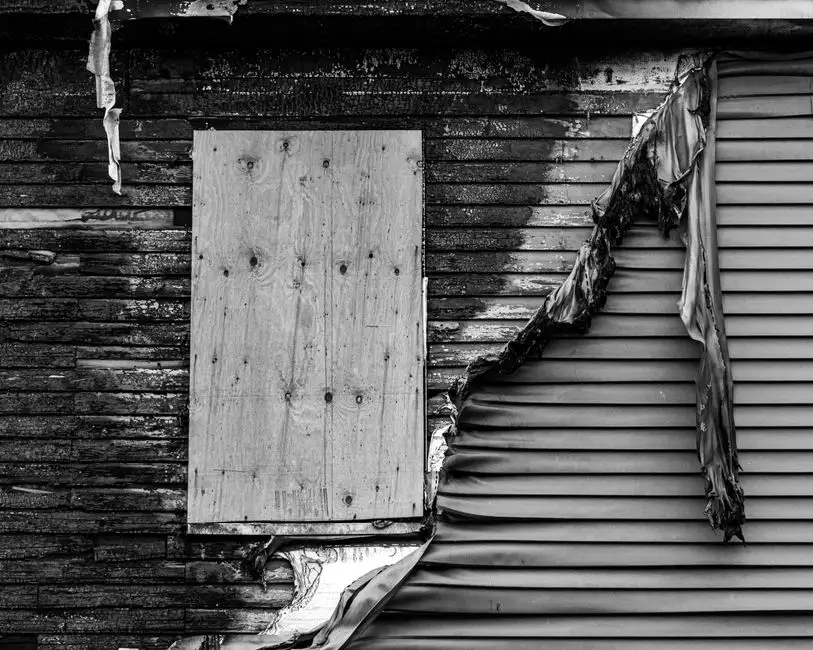
Hoarding Cleanup After Fire in SUNLAND, California is a specialized restoration service that combines fire damage mitigation with controlled, compassionate debris removal in homes where accumulated belongings have made a fire harder to fight and harder to clean up. Crews work room by room, using a HEPA vacuum and thermal imaging camera to find soot and hidden heat pockets, then remove charred furniture, damaged drywall, and smoke-soaked materials before odor treatment begins.
Fires in hoarding conditions burn hotter and smolder longer because fuel loads are high and pathways are narrow. That means more smoke residue, more water damage from firefighting, and a real risk of mold growth after fire if the structure sits wet. If you're searching for professional hoarding cleanup near me in SUNLAND after a fire, our team brings the containment, equipment, and documentation to get the job done right the first time.
Every hoarding cleanup after fire job is scoped individually, but the core inclusions below are standard on every job we run in SUNLAND. Structural repairs, contents pack-out, and long-term storage are quoted separately based on what we find during the walkthrough.
Charred furniture, ruined boxes, smoke-damaged clothing, and non-salvageable contents are bagged, hauled, and disposed of per Los Angeles County waste rules. We document each load for your insurance claim.
Walls, ceilings, floors, and hard surfaces get HEPA vacuuming followed by chemical sponge cleaning. Fiberlock smoke sealant primer goes on framing and any surface that will be repainted.
Hydroxyl generators and ozone generators run in cycles sized to the home's cubic footage. HVAC ducts and insulation are treated separately because they trap smoke odor longer than open rooms.
Water damage from firefighting gets dried with industrial dehumidifiers and air movers, monitored daily with a moisture meter. This prevents mold growth after fire in wet framing and drywall.
Every item worth saving is tagged, photographed, and staged in a clean zone. You get a written inventory of what was saved and what was removed, which your adjuster will need for the contents portion of your claim.
A supervisor walks the property with you, checks for structural fire damage, melted wiring, and roof damage from fire, and sets up containment. We photograph the condition before anything is moved. This usually takes 45 to 90 minutes.
Crews in PPE bag and remove charred furniture, ruined boxes, and smoke-damaged items room by room. Salvageable belongings are tagged and staged in a clean zone. A typical 1,200-square-foot hoarding home takes two to four days to clear.
Every wall, ceiling, and hard surface gets HEPA vacuuming followed by chemical sponge cleaning. We use Fiberlock smoke sealant primer on framing and encapsulant on porous surfaces to lock in residual odor. Air scrubbers run continuously to keep dust down.
Water damage from firefighting gets dried with industrial dehumidifiers and air movers, monitored daily with a moisture meter. Hydroxyl generators and ozone generators run in cycles to neutralize smoke odor lingering in HVAC ducts, insulation, and framing.
We do a final walkthrough with you, test surfaces for soot residue, and confirm odor is gone before we pull equipment. You get a written scope, photo documentation, and a clear list of any structural repairs still needed.
Purpose-built equipment, used by trained technicians — so the job is done accurately the first time.
Finds hidden heat pockets and moisture behind walls and under debris piles, so we don't miss structural fire damage that isn't visible.
Captures fine soot and ash particles without spreading them into the air. Used on every surface before wet cleaning begins.
Keeps dust and soot particles contained during debris removal, protecting the rest of the home and the crew.
Neutralizes smoke odor in enclosed spaces. Hydroxyl units run safely in occupied areas; ozone units run in unoccupied spaces only.
Dries water damage from firefighting before mold growth after fire becomes an issue. Monitored daily with a moisture meter.
Opens walls and removes charred material for inspection and repair. Standard tools on every structural fire damage job.
Seals porous surfaces after cleaning to lock in residual odor and prevent it from bleeding through new paint.
A 1,100-square-foot Sunland-Tujunga home had a living room packed floor to ceiling with boxes and furniture when a kitchen fire sent smoke through the whole house. Soot coated every surface and the room was impassable.
Crews cleared 4.2 tons of debris over three days, HEPA-vacuumed and chemically cleaned every wall and ceiling, and ran hydroxyl generators for 48 hours. The room was empty, clean, and odor-free, ready for drywall repair and paint.
An attic fire fueled by stored paper and holiday decorations burned for 40 minutes before the fire department arrived. Smoke damage spread through the HVAC system and into every bedroom in the 1,800-square-foot home.
We removed charred attic contents, replaced damaged insulation, cleaned and sealed HVAC ducts, and treated the entire home with hydroxyl generators. Post-job residue testing confirmed smoke odor was gone in all bedrooms.
A tenant's hoarding situation in a McGroarty Terrace rental led to an electrical fire that damaged a bedroom and hallway. The landlord needed documentation for two separate insurance claims and a fast turnaround to re-rent the unit.
We separated tenant property from landlord structure, documented each category with photos and Xactimate line items, cleared 2.8 tons of debris, and completed smoke remediation in 11 working days. Both claims were approved.
Hoarding fires create problems that standard fire cleanup crews aren't equipped for. Here are the ones we see most often in SUNLAND and how we handle them.
Ask a pro →We remove smoke-soaked materials first, then run hydroxyl generators and treat HVAC ducts and insulation. A final ozone cycle neutralizes residual odor before we sign off on the job.
Our crew clears debris first, then uses a thermal imaging camera and visual inspection to map structural fire damage. We document everything and coordinate structural repair after fire with licensed trades.
We extract standing water, remove saturated debris, and set industrial dehumidifiers and air movers with daily moisture meter readings until framing reaches dry standard.
Every removed item is photographed and logged in Xactimate-compatible format. We communicate directly with your adjuster and provide the documentation they need to approve a fair settlement.
Most hoarding cleanup after fire jobs in SUNLAND run $3,500 to $12,000 in 2026, depending on square footage, debris volume, and how much structural repair is needed. Heavy-content homes with roof damage from fire or HVAC contamination land at the top of that range. We provide a written scope before work starts so there are no surprise line items.
Fire Damage Restoration Sunland handles hoarding fire damage restoration in SUNLAND and the surrounding foothill neighborhoods. We are locally based, CSLB-licensed, and carry IICRC FSRT and OCT certifications. Call (833) 929-6186 and we'll schedule a walkthrough, usually the same day you call.
Yes, in most cases. Standard homeowner policies in California cover fire damage cleanup, including debris removal, smoke remediation, and structural repair, up to policy limits. Hoarding itself isn't a coverage issue, but pre-existing conditions like long-term leaks may be excluded. We document everything in Xactimate format to support your claim.
A typical 1,200-square-foot hoarding home takes five to ten working days from containment to final walkthrough. Larger homes or properties with structural fire damage and roof damage from fire can run two to three weeks. We give you a day-by-day schedule after the first walkthrough so you can plan.
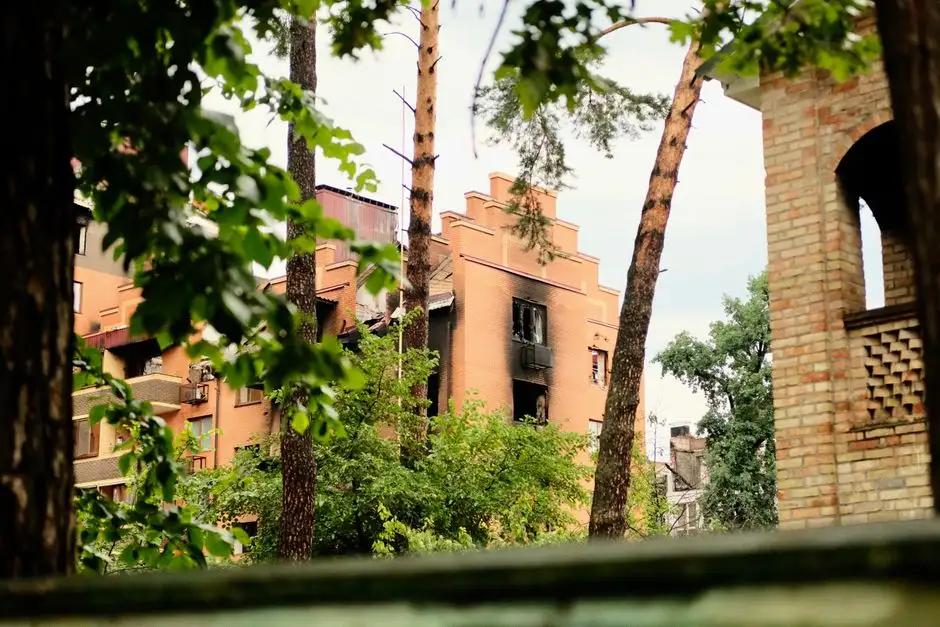 Smoke Damage RestorationAfter debris is cleared, smoke residue remains in framing, insulation, and ductwork. Our smoke damage restoration crew uses air scrubbers and thermal fogging to neutralize it before you move back in.Explore →
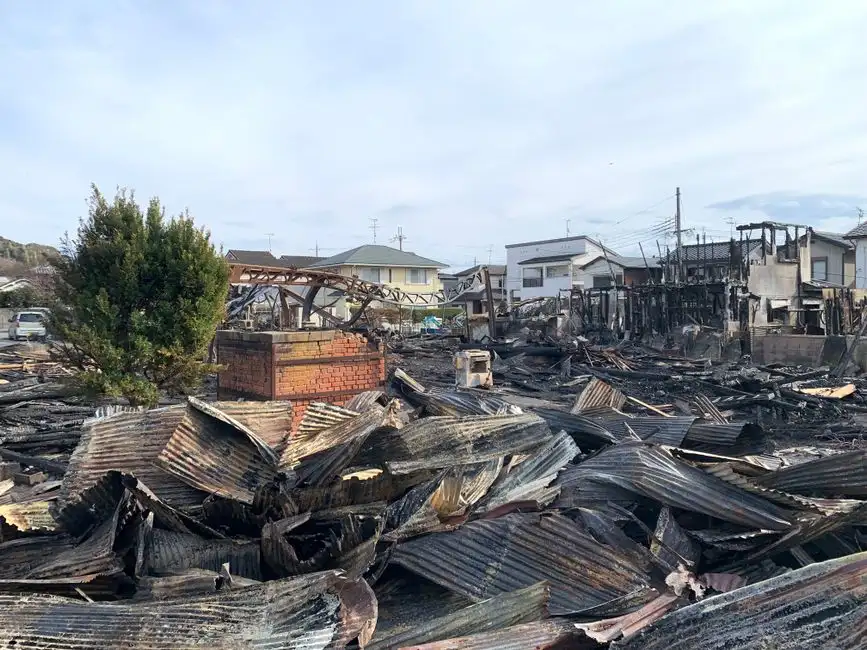 Fire Damage Clean UpFull-service fire damage clean up covers charred material removal, surface cleaning, and hauling. It runs alongside hoarding cleanup so you get one crew handling both the debris and the fire damage in a single schedule.Explore →
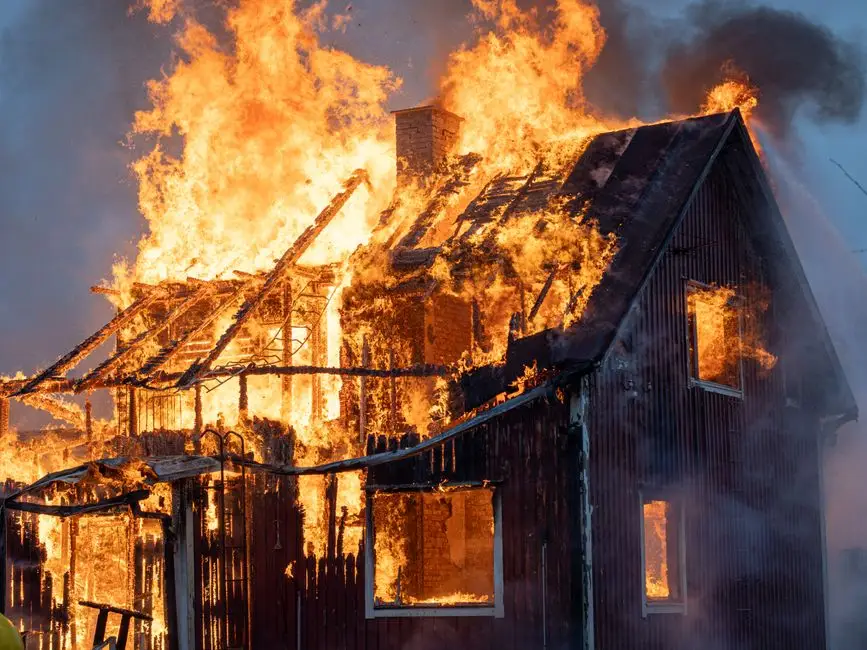 Emergency Fire Damage RestorationWhen a fire just happened and the structure is still wet and smoky, our emergency fire damage restoration team boards up, contains, and starts mitigation the same day to prevent secondary damage.Explore →
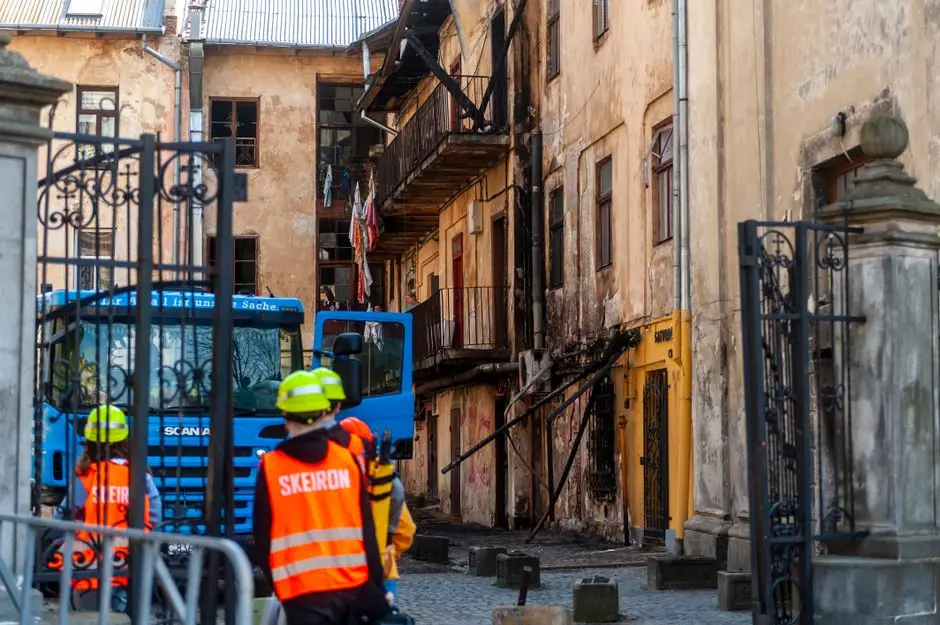 Structural Repair After FireCharred framing, damaged drywall, and compromised roof sheathing get rebuilt by our structural repair after fire crew, using code-correct materials and permits pulled through the City of Los Angeles.Explore →
 Odor Removal After FireSmoke odor lingering in a hoarding home is stubborn because it penetrates packed belongings and porous materials. Our odor removal after fire team uses hydroxyl and ozone treatment cycles sized to the home's cubic footage.Explore →
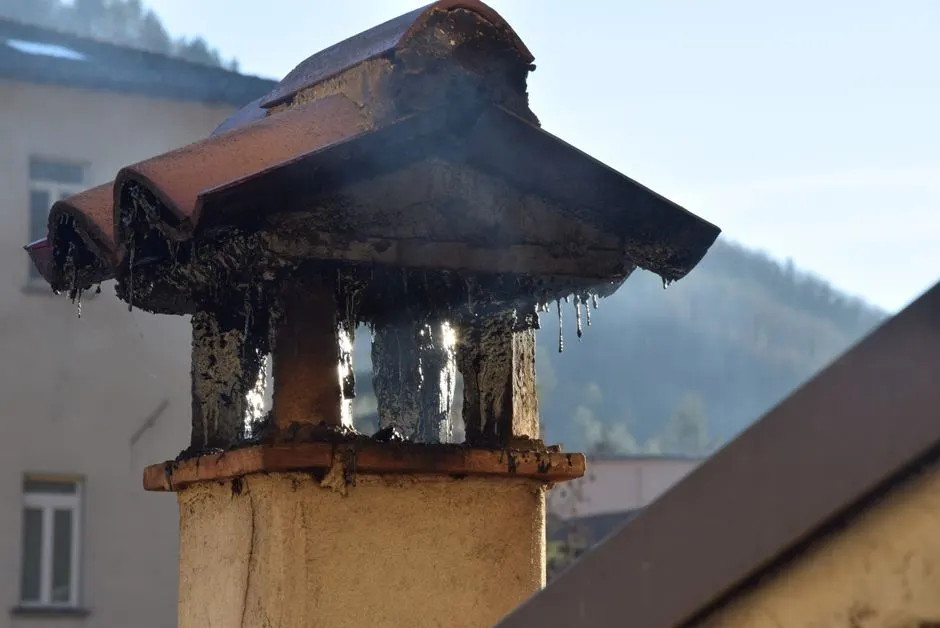 Soot RemovalSoot residue on walls, ceilings, and contents etches within days. Our soot removal process uses chemical sponges, HEPA vacuums, and smoke sealant primer to clean and seal surfaces before repainting.Explore →
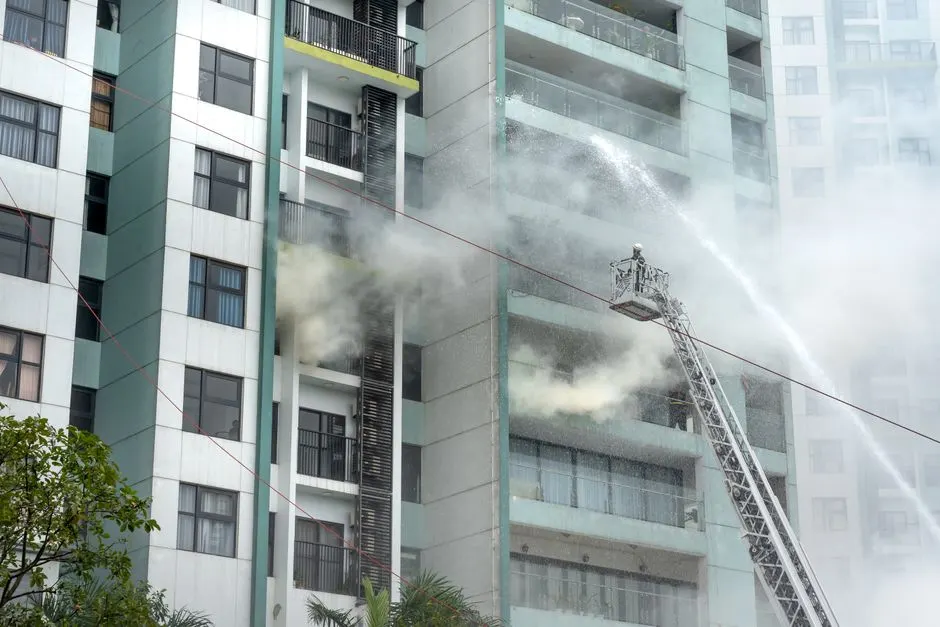 Smoke RemediationSmoke remediation targets the invisible part of fire damage: acidic residue in HVAC systems, attic spaces, and wall cavities. We test and treat those areas so odor doesn't return weeks after cleanup.Explore →
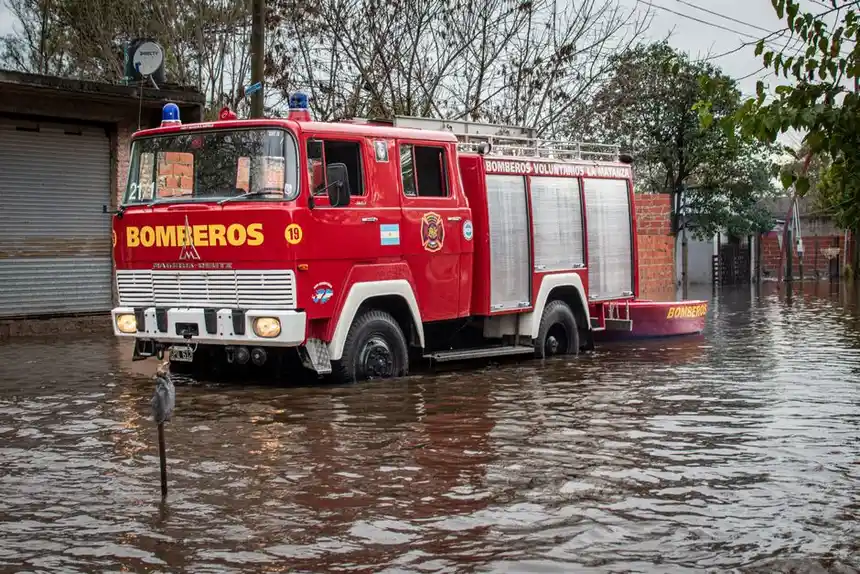 Fire and Flood RestorationFires are often followed by water damage from firefighting. Our fire and flood restoration crews dry the structure with industrial dehumidifiers and air movers before mold growth after fire becomes an issue.Explore →
Smoke residue etches deeper every hour and wet framing invites mold within 48 hours. Our CSLB-licensed, IICRC-certified crew is on call 24/7 and can start containment the same day. Call (833) 929-6186 for a same-day walkthrough and a written scope.
Call (833) 929-6186 (833) 929-6186 →Call (833) 929-6186 any hour of the day or night and a real person picks up. We dispatch crews 24/7 across SUNLAND and the surrounding foothills, and most calls get a technician on site within 60 to 90 minutes. If you prefer email, send photos and your address to info@firedamagerestorationsunland.com and we will follow up the same day.