Why does my house still smell like smoke after a fire
Smoke smell that lingers after a fire in SUNLAND comes from soot and odor particles trapped in walls, ducts, and insulation. Here is why it happens and how to fix it.
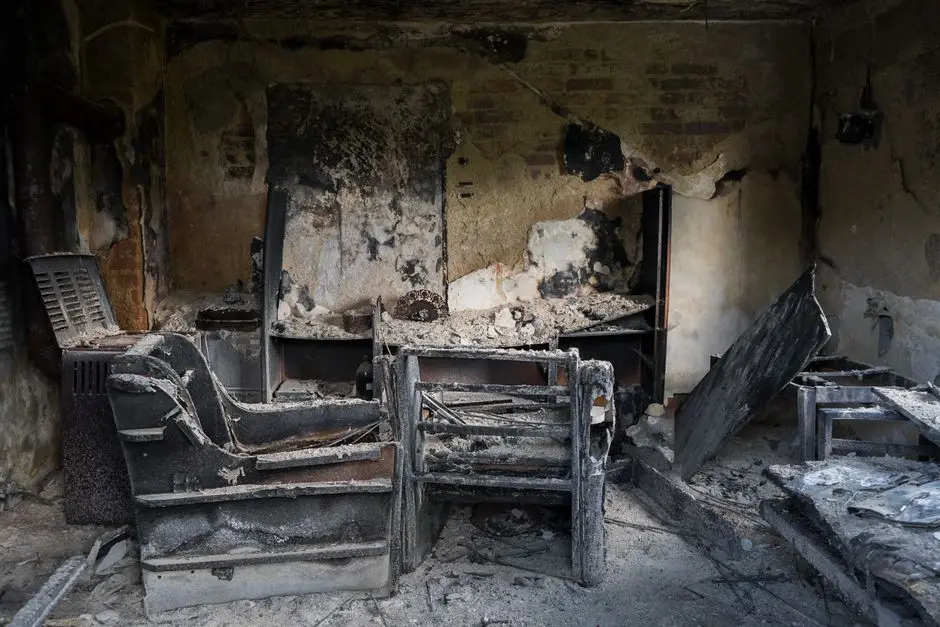
Your house still smells like smoke after a fire because soot and odor-causing particles have soaked into porous materials - drywall, insulation, wood framing, carpet, upholstery, and HVAC ductwork - and those particles keep off-gassing long after the flames are out. Airing out the rooms and wiping down counters does not reach them. Why does my house still smell like smoke after a fire in SUNLAND California is usually a question of where the smoke went, not how long you have ventilated. This post covers the real sources of lingering smoke odor, how long it lasts, what you can safely do yourself, and when professional smoke odor removal in SUNLAND California is the only thing that will actually clear the air.
Why smoke smell lingers after a fire in SUNLAND California
Smoke odor lingering after a fire in SUNLAND California is a residue problem, not an air-freshener problem. When a fire burns, it releases thousands of microscopic particles of soot, ash, and unburned hydrocarbons. Those particles are small enough to travel through the house on rising heat and settle into every crevice the air touches. Once they land on a porous surface, they bond to it. Every time humidity rises or the furnace kicks on, those particles release a little more odor into the air.
Sunland sits in a dry, windy foothill corridor where the Santa Ana winds push smoke through a house fast. That same wind pushes soot deeper into wall cavities and attic insulation than homeowners expect. We see this constantly in ranch-style homes built between 1950 and 1980, where the original attic insulation has never been replaced and acts like a sponge for smoke particles.
Three things keep the smell alive long after the fire:
- Soot residue on walls, ceilings, and framing that was never fully removed.
- Odor particles trapped in soft materials - carpet, padding, drapes, mattresses, clothing, and furniture cushions.
- Contaminated HVAC ductwork that recirculates smoke particles every time the system runs.
If any one of those three is left unaddressed, the smell comes back. That is why a house can smell clean for a week and then turn smoky again the first hot day.
The hidden places smoke odor hides in your home
Smoke odor hides in places most homeowners never think to clean, and that is why the smell keeps returning. In SUNLAND homes we inspect after a fire, the same hiding spots show up again and again.
Inside wall cavities and insulation
Smoke travels through electrical outlets, switch plates, and baseboard gaps into the wall cavity. Once it is inside, the fiberglass or cellulose insulation holds it. No amount of surface cleaning touches it. In older Sunland homes with knob-and-tube or early romex wiring, the outlet gaps are larger and let more smoke through.
HVAC ducts and the air handler
The return-air duct is the biggest single odor reservoir in most houses. Smoke gets pulled into the return, coats the inside of the duct, and then gets distributed to every room on the next heating or cooling cycle. If your system was running during the fire, assume the ducts are contaminated.
Attics and roof sheathing
Heat and smoke rise. Attic insulation, roof decking, and rafters absorb soot, and attic ventilation then pulls that odor back down into living spaces. This is especially common after attic fires and roof-level electrical fires in the foothill neighborhoods.
Soft furnishings and clothing
Mattresses, upholstered furniture, carpet and padding, curtains, and even clothing in closed closets absorb smoke. A closet full of clothes can hold enough odor to make an entire bedroom smell smoky.
When soot has settled across these surfaces, soot removal SUNLAND is the first step - you cannot deodorize a surface that still has soot on it.
How long does smoke smell last after a fire in SUNLAND?
Smoke smell lasts two to four weeks after a small, contained fire if the soot is cleaned properly, and it can last six months or longer if porous materials and ductwork are left untreated. There is no fixed clock. The variables that decide it are the size of the fire, how long it burned before it was put out, whether the HVAC system ran during the fire, and how much porous material was in the path of the smoke.
A kitchen fire that scorches a cabinet and gets put out in minutes is a different job than a bedroom fire that smolders for twenty minutes behind a closed door. Smoldering fires produce more odor than fast-burning ones because they release more unburned particles at lower temperatures. Those particles settle deeper and bond harder.
In our experience across the Sunland-Tujunga corridor, houses that get professional treatment within the first week clear in days. Houses that sit for a month before anyone addresses the ductwork and insulation often need two or three rounds of treatment. Time is the variable you control.
How to get rid of smoke smell after fire in SUNLAND CA
Getting rid of smoke smell after a fire in SUNLAND CA starts with removing the source, not masking it. Here is the order that actually works.
- Remove char and loose soot first. Vacuum with a HEPA filter, then wipe hard surfaces with a dry chemical sponge before any wet cleaning. Wetting soot first just smears it deeper.
- Pull and dispose of saturated soft materials. Carpet padding, insulation, and mattresses that have absorbed smoke usually cannot be saved. Bag them and get them out of the house.
- Clean the HVAC system. Change the filter, then have the ducts and air handler cleaned. Running the system before the ducts are clean re-contaminates every room.
- Treat surfaces with an odor counteractant. Thermal fogging and hydroxyl or ozone treatment reach the cavities and crevices that wiping cannot. This is the step most DIY attempts skip, and it is the step that makes the difference.
- Seal porous framing. In severe cases, exposed framing and subfloor get sealed with a shellac-based primer to lock in residual odor.
For a full walkthrough of the cleaning side of this work, see fire damage cleanup SUNLAND. If the fire was in the kitchen, kitchen fire cleanup SUNLAND covers the grease-and-soot combination that makes kitchen fires smell worse than their size suggests.
What you should not do: run box fans and open every window for a week and assume that solves it. Ventilation helps, but it does not remove bonded particles. It just moves the smell around.
Common mistakes that make lingering smoke smell worse
The most common mistake homeowners make after a fire is treating the smell before removing the soot. Air fresheners, candles, and plug-ins add a second odor on top of the first. The result is a house that smells like lavender and smoke, which is worse than smoke alone.
Other mistakes we see regularly:
- Painting over soot-stained walls without sealing them. The odor bleeds through latex paint within weeks. You need a stain-blocking primer, not a topcoat.
- Washing smoked clothing in a normal cycle. Standard detergent does not break down smoke residue. It takes an oxygen-based soak and often more than one wash.
- Turning the HVAC back on before the ducts are cleaned. This is the single fastest way to spread smoke odor through the entire house.
- Assuming the smell will fade on its own. It fades, then comes back the first humid day or the first time the heat runs.
- Throwing away furniture that could be saved. Upholstered pieces often respond well to professional treatment, and replacing them is expensive.
If you are dealing with smoke odor alongside water from firefighting, the two problems have to be handled together. fire and flood restoration SUNLAND covers how we dry a structure and clear odor at the same time, because mold growing in wet, smoke-saturated materials makes the smell permanently worse.
When to call a professional for smoke odor removal in SUNLAND California
Call a professional for smoke odor removal in SUNLAND California when the smell survives a week of ventilation and surface cleaning, when the HVAC system ran during the fire, or when the fire was large enough to char structure. Those three conditions almost always mean the odor source is inside a cavity or a duct, and no consumer product reaches it.
We are Fire Damage Restoration serving Sunland and the surrounding foothill neighborhoods. Our team inspects the attic, the wall cavities, and the ductwork, identifies where the smoke actually settled, and treats those areas directly. We handle soot removal, thermal fogging, duct cleaning, and structural sealing as one job so the smell does not come back the week after we leave.
Homes in the Sunland-Tujunga Fire Damage Restoration area tend to be older, with original insulation and ductwork that holds odor longer than newer construction. That is exactly the kind of house where a surface-only cleaning fails and a cavity-level treatment works.
Frequently Asked Questions
Why does my house still smell like smoke after a fire in SUNLAND California?
Because soot and odor particles are bonded to porous materials - insulation, drywall, carpet, upholstery, and ductwork - and keep releasing odor. Surface cleaning does not reach them. The smell returns whenever humidity rises or the HVAC runs until those materials are treated or removed.
How long does smoke smell last after a fire in SUNLAND?
Two to four weeks after a small fire with proper cleaning, and six months or longer if ducts and insulation are left untreated. Smoldering fires and fires where the HVAC ran produce longer-lasting odor than fast, contained fires.
How do I remove smoke smell from my house in SUNLAND CA?
Remove char and soot first with a HEPA vacuum and dry chemical sponge, dispose of saturated carpet padding and insulation, clean the HVAC ducts, then treat cavities with thermal fogging or hydroxyl treatment. Sealing exposed framing is the final step in severe cases.
Does insurance cover smoke odor removal in SUNLAND?
Yes, in most homeowners and renters policies, smoke odor removal is covered as part of the fire damage claim because it is part of restoring the home to its pre-loss condition. Document the damage with photos before cleaning and keep the receipts for any materials you discard.
Can I just paint over the smoke smell?
No. Latex paint does not block smoke odor and the smell bleeds through within weeks. You need a shellac- or oil-based stain-blocking primer on soot-stained walls and framing, applied after the soot is removed, not before.
Get help with Fire Damage Restoration in SUNLAND
If the smell is still there after a week of airing out and wiping down, the source is inside a cavity or a duct and it will not clear on its own. We find it, treat it, and confirm the air is clean before we leave.
Call Fire Damage Restoration Sunland at (833) 929-6186 to schedule an inspection and get a straight answer on what it will take to get the smoke smell out of your house.